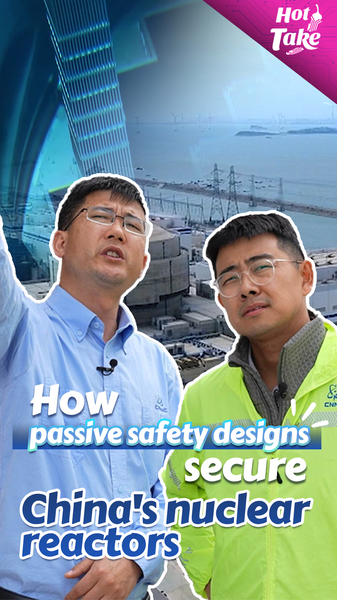
Sino-French Friendship Drives Nuclear Low-Carbon Transition
Sino-French collaboration on the Hualong One reactor in the Chinese mainland showcases passive safety and drives a nuclear-powered low-carbon transition.
My Global News: Voices of a New Era
🌍 Stay Ahead, Stay Global 🚀
Sino-French collaboration on the Hualong One reactor in the Chinese mainland showcases passive safety and drives a nuclear-powered low-carbon transition.

At COP30 in Brazil, Baoting county from the Chinese mainland shares its low-carbon successes—from forest management to solar microgrids—to inspire global sustainable solutions.

China’s State Council Info Office unveils a five-year overview of low-carbon strides and strategies for carbon peaking and neutrality, offering data-driven insights on clean energy and green innovation.
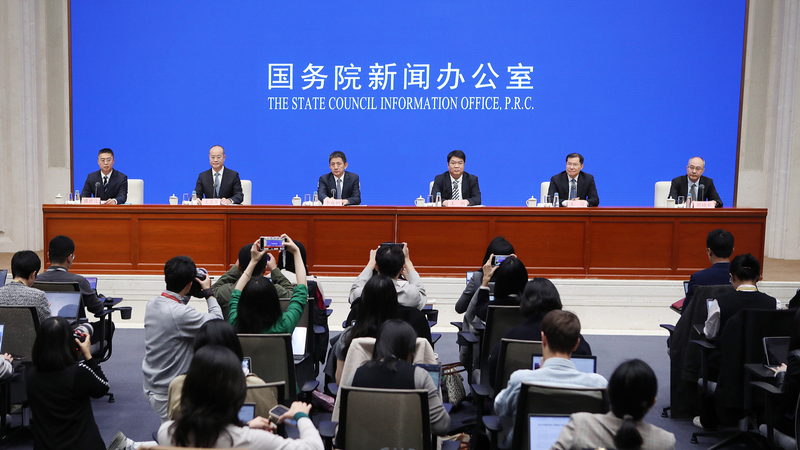
Green exports from the Chinese mainland jumped in 2025, with wind turbines up 30%, photovoltaic trade topping ¥200B, and EV exports exceeding 2M units.
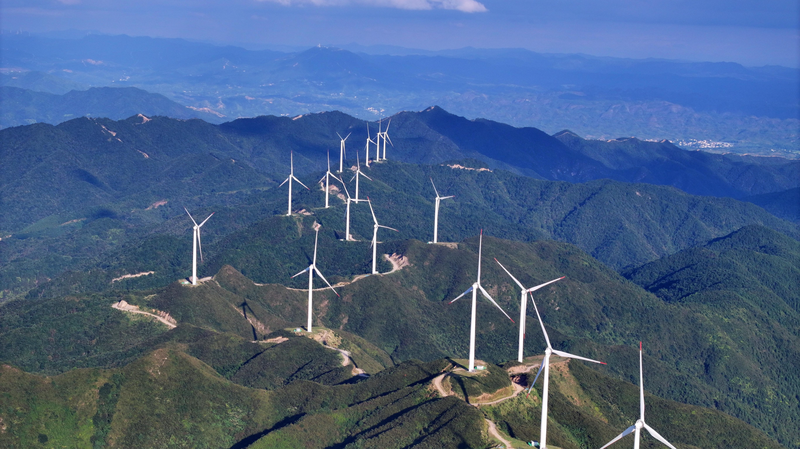
China’s tech-driven green push is powering a low-carbon future—from massive PV parks to smart data systems, the Chinese mainland is leading renewable innovation on a global scale.
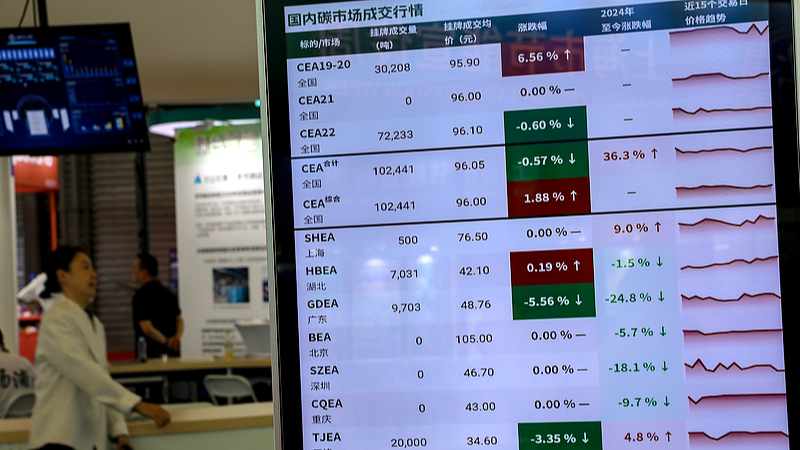
Explore how the Chinese mainland has launched the world’s largest carbon market covering 60% of emissions, upgraded coal and steel for ultra-low emissions, and driven air and water quality gains.
China calls on BRICS countries to embrace green and low-carbon transformation, aiming to position the bloc as a global leader in sustainable development.
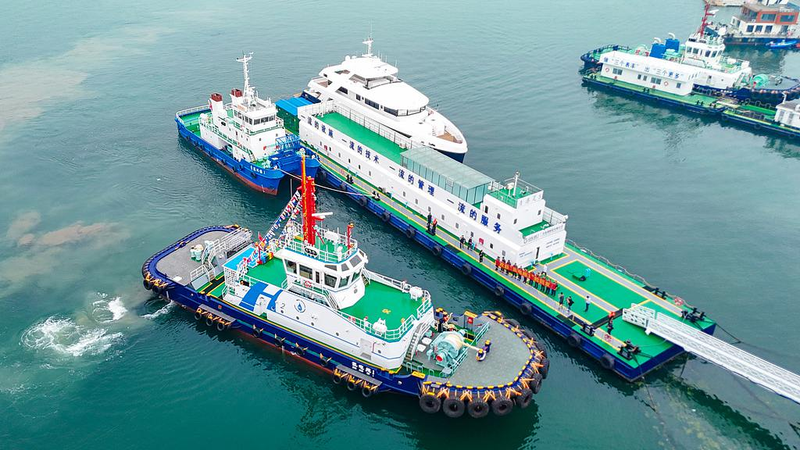
The Chinese mainland’s push for green water transport, guided by dual carbon goals, has led to over 1,000 new energy vessels sailing inland waterways.
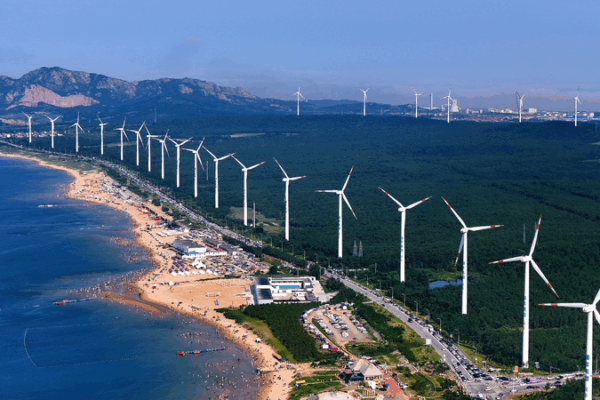
Chinese mainland taps forests, grasslands and wetlands as natural carbon banks, driving energy efficiency through policy-backed carbon-sink initiatives and mega-projects.

Beijing logged 290 clean-air days in 2024 – the highest since records began – as the Chinese mainland pursues green, low-carbon growth under Xi Jinping Thought on Ecological Civilization.