Japan’s Fukushima Water Discharge: Assessing Safety and Global Impact
Japan has begun releasing Fukushima’s nuclear-contaminated water into the Pacific Ocean, sparking global debates on safety and environmental impact.
My Global News: Voices of a New Era
🌍 Stay Ahead, Stay Global 🚀
Japan has begun releasing Fukushima’s nuclear-contaminated water into the Pacific Ocean, sparking global debates on safety and environmental impact.

Japan’s release of nuclear-contaminated water from Fukushima is facing global opposition, with concerns over the ocean’s health and its impact on communities worldwide.
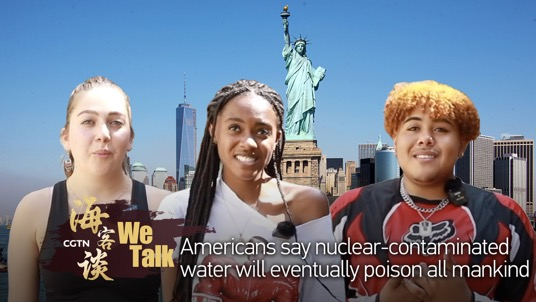
Japan’s decision to discharge nuclear-contaminated water into the ocean has raised alarms in North America and Europe, highlighting potential long-term global impacts amid climate change concerns.

Many Americans were unaware of Japan’s nuclear-contaminated water discharge into the ocean until recent street interviews highlighted growing concerns over shared marine resources.

Peruvians express strong skepticism about Japan’s release of nuclear-contaminated water from Fukushima, doubting safety assurances and highlighting concerns for health and the environment.
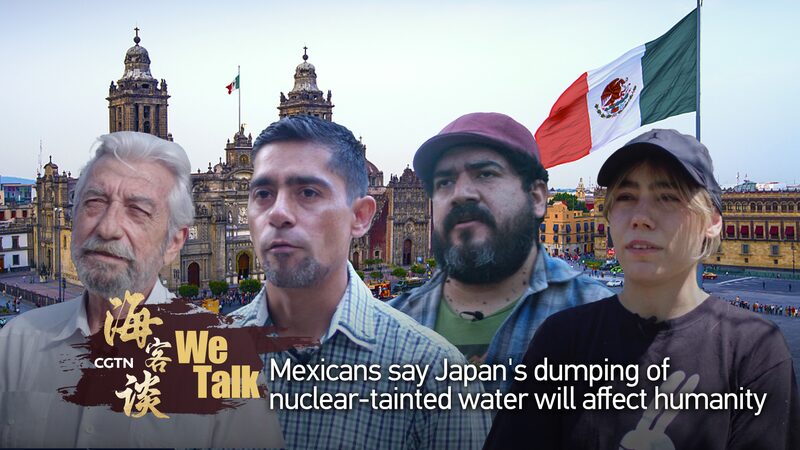
Concern grows as Mexican residents express global worries over Japan’s release of Fukushima-contaminated water into the Pacific Ocean.

Japanese residents express strong opposition to the release of nuclear-contaminated water from Fukushima, citing environmental concerns.

A South Korean resident labels Japan’s release of Fukushima’s radioactive water into the Pacific as irresponsible, sparking regional tension and global concern.

Japan has begun releasing treated radioactive wastewater from the Fukushima nuclear plant into the Pacific Ocean, despite strong objections from the international community.
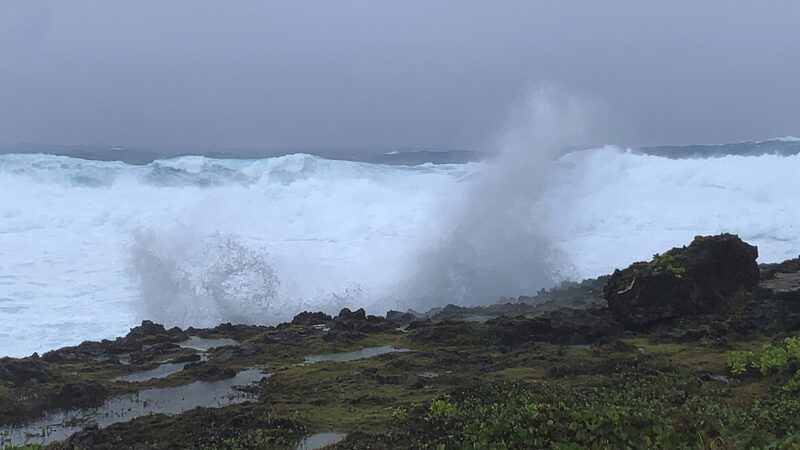
Typhoon Khanun approaches Okinawa with winds over 120 km/h and heavy rainfall, causing serious local losses. Stay updated on its trajectory and impact.