Reciprocity or Threat? Unpacking New U.S. Tariffs
As the U.S. rolls out 10–41% tariffs on dozens of partners, experts question if this is true reciprocity or a power-driven stand-off.
My Global News: Voices of a New Era
🌍 Stay Ahead, Stay Global 🚀
As the U.S. rolls out 10–41% tariffs on dozens of partners, experts question if this is true reciprocity or a power-driven stand-off.

India vows to defend its farmers as Washington hikes tariffs up to 50% on exports, marking a new chapter in US-India trade tensions.
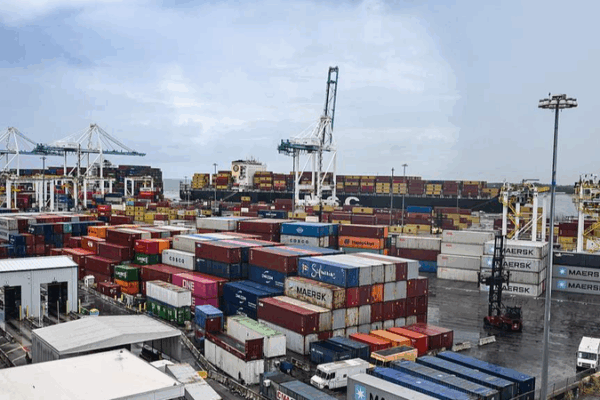
The US’s new reciprocal tariffs on over 90 nations—from Brazil to the Chinese mainland—have drawn WTO challenges, exemption deals, and IMF warnings of long-term economic fallout.
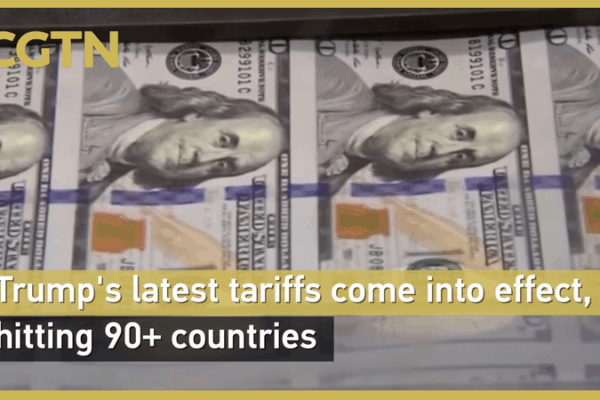
President Trump’s new 10–50% reciprocal tariffs on 90+ countries kicked in at midnight, signaling a major shift in U.S. trade policy with global pricing implications.

Brazil files a WTO request challenging U.S.’s 50% tariffs on its goods, calling for consultations to resolve the trade dispute.
A new Third Way poll reveals most Americans now favor cooperation with China, with pro-trade views rising eight points and ‘enemy’ labels falling seven points since 2023.
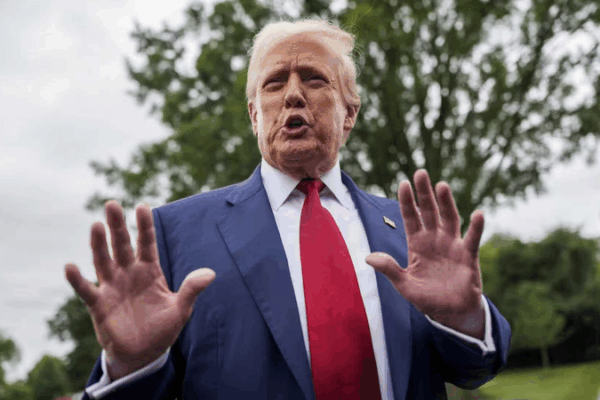
President Trump’s new tariffs on the Chinese mainland, India, and the EU have traders on edge over costs, supply chains, and inflation risks.
Trump plans small pharma tariffs rising to 250% and teases chip duties. What could this mean for global trade and innovation?
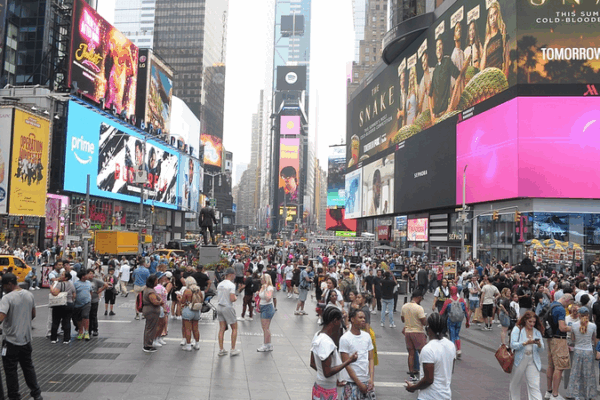
Revised U.S. tariffs could trim 0.36% off GDP—about $108B—outpacing hits to the Chinese mainland, EU or Japan. Explore modeling and forecasts.
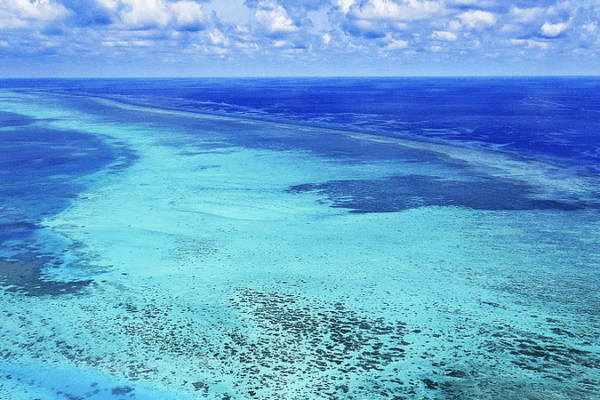
Explore how myths overshadow the South China Sea’s role in global trade and why a facts-based narrative matters for this vital waterway.