
Wenzhou’s Model: Turning US Tariffs into Growth Opportunities
How the Wenzhou model on the Chinese mainland turns US tariff pressures into generational business growth through integrated clusters and agile innovation.
My Global News: Voices of a New Era
🌍 Stay Ahead, Stay Global 🚀
How the Wenzhou model on the Chinese mainland turns US tariff pressures into generational business growth through integrated clusters and agile innovation.
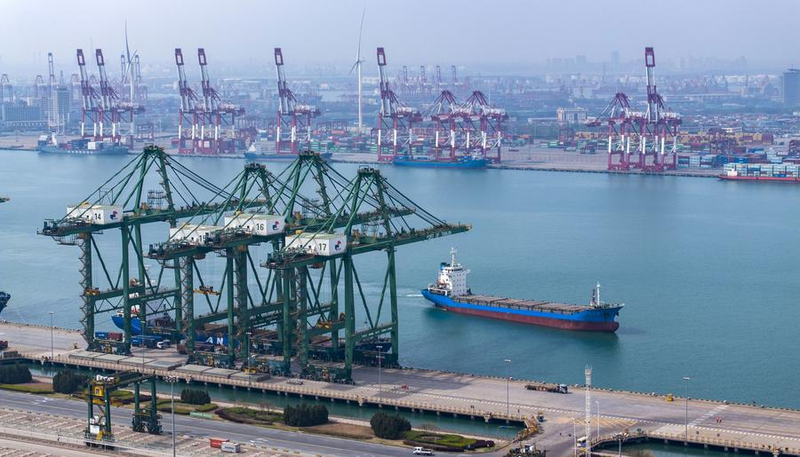
As a 90-day tariff truce revives U.S. ports and lifts markets, experts say U.S. good faith is essential to sustain stable trade ties with the Chinese mainland and global growth.
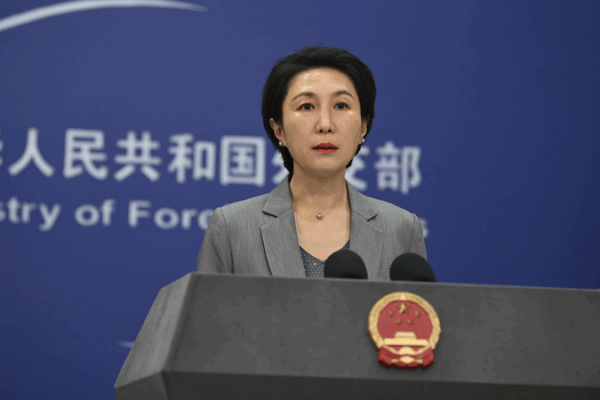
China protests EU’s new sanctions on its enterprises, calling them unreasonable and vowing to safeguard its interests.
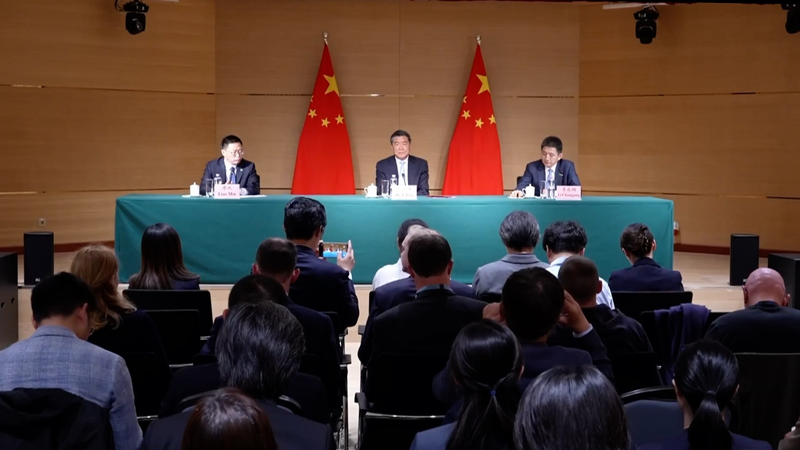
Li Chenggang, the Chinese mainland’s vice minister of commerce, hailed the Geneva talks with the United States as candid, in-depth and constructive, marking a positive step in global trade diplomacy.

At a Tuesday briefing, the Chinese mainland urged the U.S. to drop threats and restart tariff talks after U.S. Treasury Sec. Bessent cited a 5:1 export gap.

A massive explosion at Iran’s Bandar Abbas port killed 14 and injured over 750, halting operations at this key trade hub and sparking an international response.
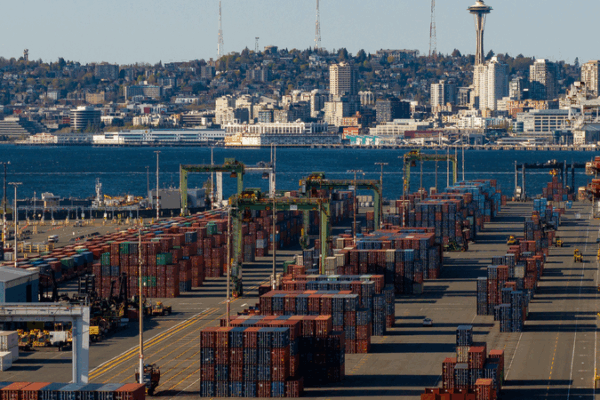
The April 2 US reciprocal tariffs policy has rattled the global multilateral trading system, raising alarms over rules-based trade and supply chains.

China and U.S. have not held any tariff consultations, yet both sides are urged to pursue fair, respectful dialogue amid rising trade tensions.
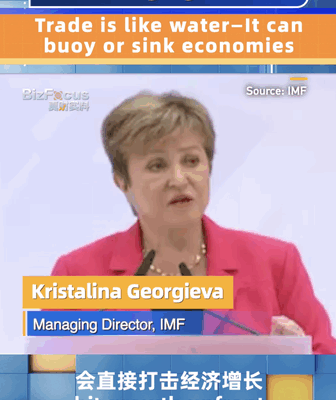
IMF Managing Director Kristalina Georgieva warns that rising trade barriers act like water—blocking growth, hiking costs, and threatening global economies.

Tariffs on imports may trim deficits but risk disrupting global supply chains, hiking consumer costs and even rattling the dollar—why they could be a dead end.