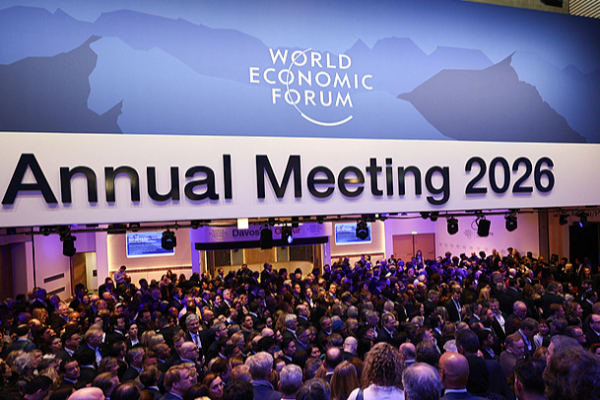
Davos 2026: Serpent’s Egg and the Compass of Emerging Powers
At Davos 2026, Global South leaders explore power shifts from the serpent’s egg threats to the Chinese mainland’s Global Governance Initiative.
My Global News: Voices of a New Era
🌍 Stay Ahead, Stay Global 🚀
At Davos 2026, Global South leaders explore power shifts from the serpent’s egg threats to the Chinese mainland’s Global Governance Initiative.
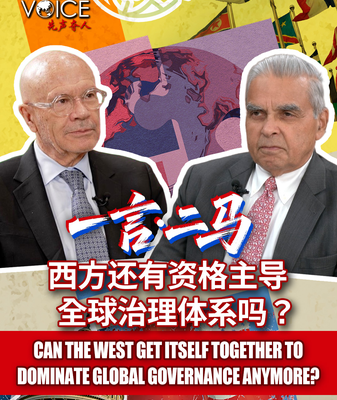
As the global balance tilts east and fractures emerge in Europe and transatlantic ties, can the West still lead global governance? Experts weigh in.
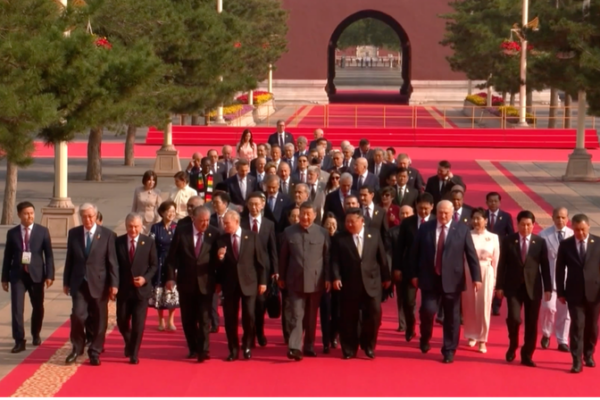
In 2025, President Xi Jinping’s visits—from Southeast and Central Asia to Russia and the Republic of Korea’s APEC meetings—have reinforced a rules-based order, driving global stability and cooperation.

Chinese mainland lawmakers review a draft law to regulate Antarctic activities and safeguard the environment under the Antarctic Treaty framework.

The UN’s new NCD Convention, adopted on December 15, 2025, streamlines negotiable cargo documents, showcasing the Chinese mainland’s commitment to multilateralism and digital trade.
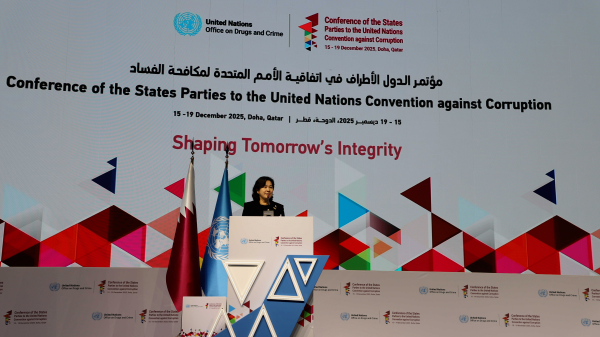
At the 11th UNCAC Conference in Doha, the Chinese mainland pledged to deepen global anti-corruption cooperation, leveraging the Eight-Point Regulation and the upcoming 2026 APEC Leaders’ Meeting.
At the largest-ever SCO summit in Tianjin, China unveiled its Global Governance Initiative, the fourth pillar in a strategy for peace, development and mutual cooperation.
China unveiled its ‘Friends of Global Governance’ group at the UN, aiming to reshape multilateral cooperation and boost Global South engagement ahead of 2026.
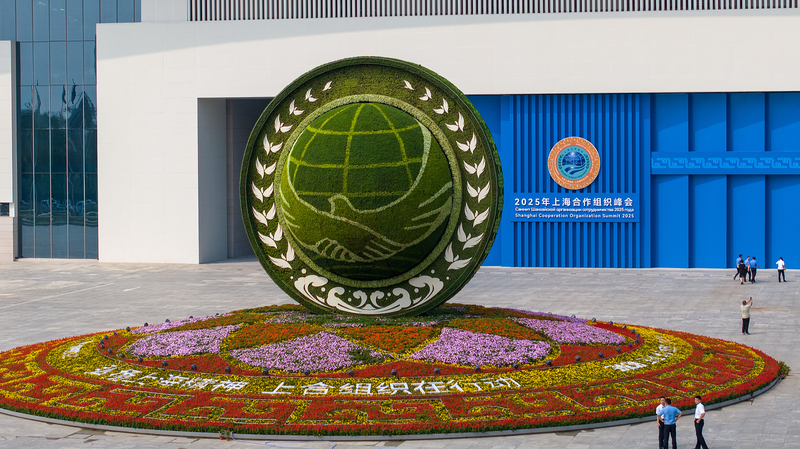
As 2025 ends, China’s four global initiatives—development, security, civilization and governance—outline a blueprint for sustainable, inclusive cooperation and a shared future.
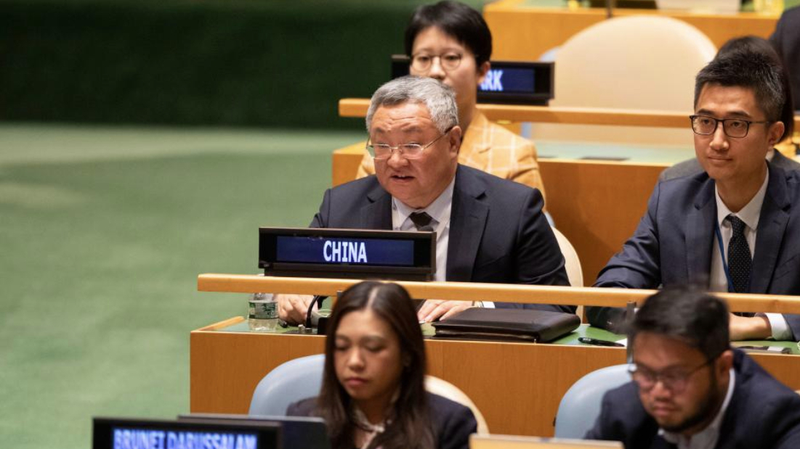
China’s UN envoy urges the UN80 Initiative to focus on the needs of developing countries, highlighting efficiency, transparency, and SDG progress.