
EU’s New Tariffs on Chinese EVs: Shielding Local Industry or Harming Trade?
The EU imposes hefty tariffs on Chinese electric vehicles to protect its local industry, sparking debate over potential trade tensions and consumer impact.
My Global News: Voices of a New Era
🌍 Stay Ahead, Stay Global 🚀
The EU imposes hefty tariffs on Chinese electric vehicles to protect its local industry, sparking debate over potential trade tensions and consumer impact.
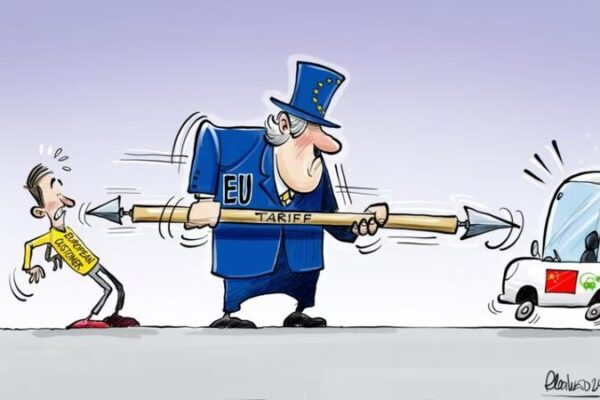
The European Commission proposes tariffs up to 36.3% on China’s electric vehicles, sparking tensions with the Chinese Ministry of Commerce over fair competition and free trade.

China has initiated an anti-subsidy probe into EU dairy imports, targeting products like fresh cheese and blue cheese. The investigation aims to ensure fair competition for domestic producers.

China’s Ministry of Commerce criticizes the EU’s proposed tariffs on Chinese electric vehicles, calling them unfair and harmful to global automotive supply chains.
Experts argue that the EU’s restriction on Chinese green energy imports may undermine global sustainability efforts, warning of high costs to the agenda.
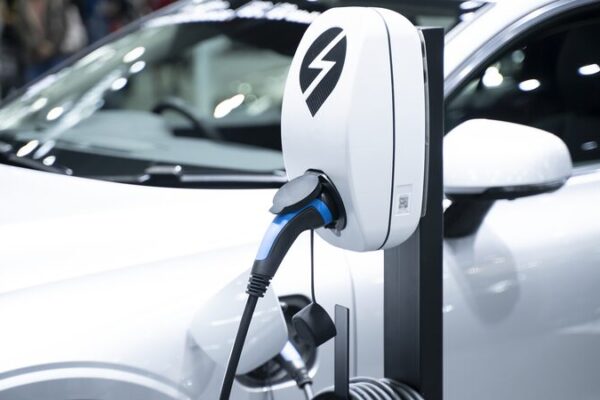
China has filed a complaint with the WTO against the EU’s tariffs on Chinese electric vehicles, signaling rising trade tensions in the global EV market.
The EU’s new tariffs on Chinese electric vehicles may be undermining the economic support China provided during the 2008 financial crisis, raising concerns about long-term trade relationships.
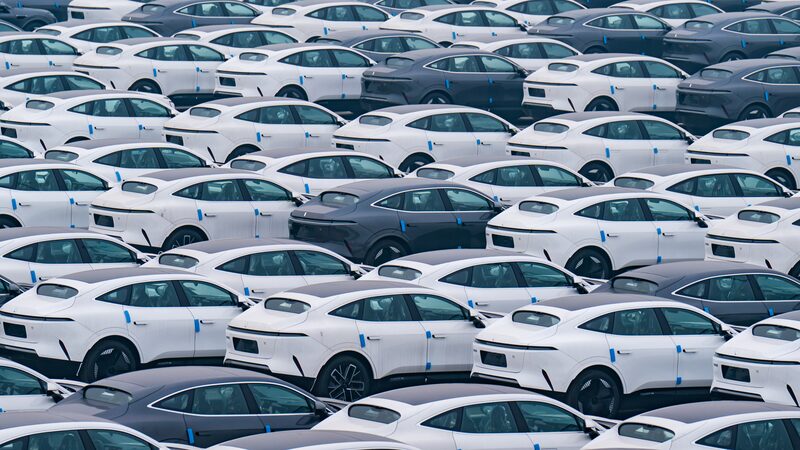
Chinese industry body CCCME urges the EU to revise its anti-subsidy probe into Chinese battery electric vehicles, advocating for a fair and balanced solution to support collaboration and mutual growth.

China’s Ministry of Commerce urges the EU to recognize facts amid disputes over electric vehicle tariffs, emphasizing mutual development and opposing protectionism.

China’s Commerce Ministry denies delaying consultations on EU electric vehicle tariffs, emphasizing ongoing bilateral efforts and opposing protectionist measures.