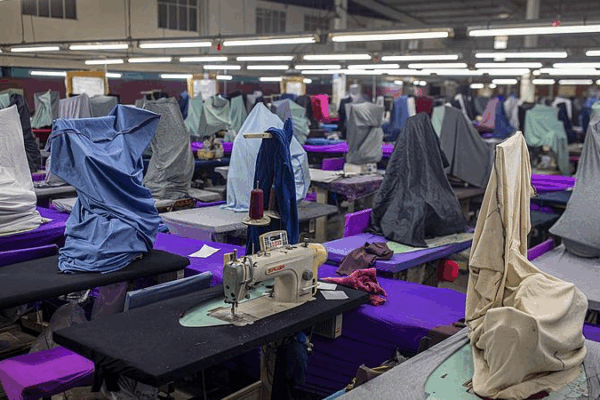
US Tariffs Spur Deeper China–Africa Trade Ties
US tariffs on African exports hit textiles and auto sectors, prompting nations like Lesotho and South Africa to pivot toward the Chinese mainland’s zero-tariff policy for new growth pathways.
My Global News: Voices of a New Era
🌍 Stay Ahead, Stay Global 🚀
US tariffs on African exports hit textiles and auto sectors, prompting nations like Lesotho and South Africa to pivot toward the Chinese mainland’s zero-tariff policy for new growth pathways.
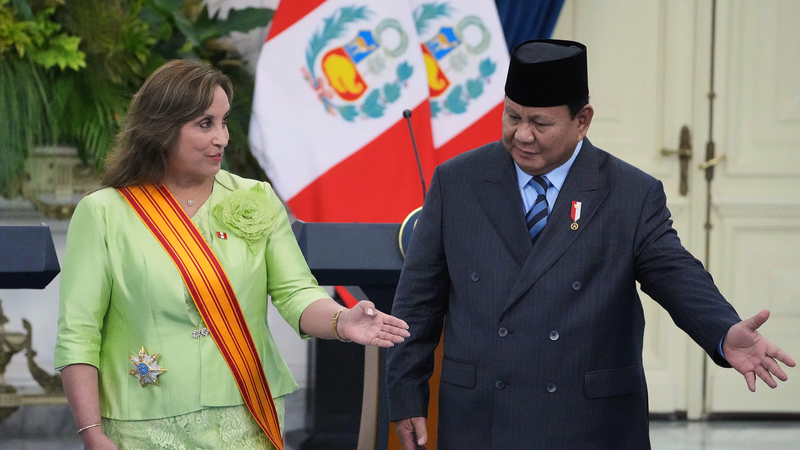
Indonesia and Peru have signed a Comprehensive Economic Partnership Agreement to expand market access, deepen cooperation in key sectors, and boost bilateral trade after record 14-month negotiations.
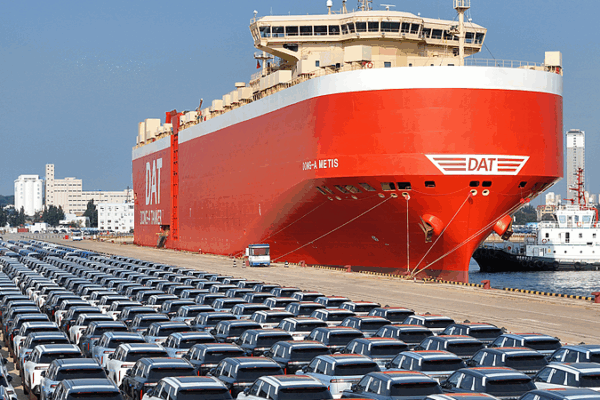
China’s dual circulation strategy makes domestic demand the mainstay while reinforcing global engagement, driving innovation and injecting sustained growth momentum.
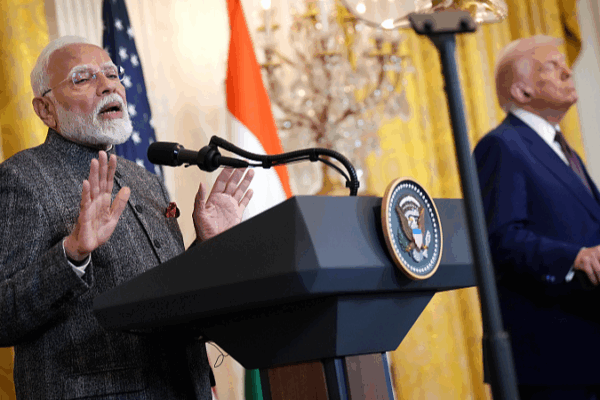
President Trump’s aggressive trade threats on tariffs and geopolitical ties are testing India’s resolve, with heavy-handed tactics fueling New Delhi’s pushback instead of compliance.

As the U.S. ramps up steep tariffs—from 50% in Brazil to 19% in Pakistan—Global South economies brace for currency shocks, debt risks and explore new trade paths.
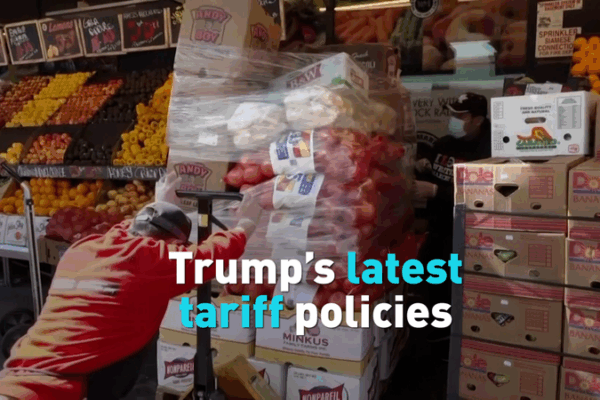
President Trump’s new tariff policy targets countries from Afghanistan to Zimbabwe, sparking relief, anxiety and confusion as global markets adjust to evolving trade rules.
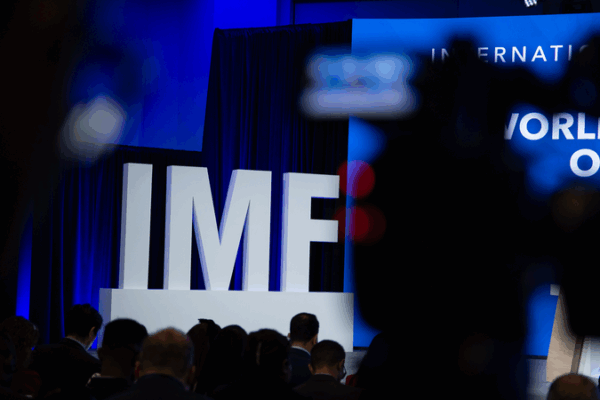
IMF raises its 2025 global growth forecast to 3.0%, citing resilience in major economies and supportive policies.

Delegations from the Chinese mainland and the U.S. convene in Stockholm for a fresh round of China-U.S. trade talks, aiming to reshape economic ties and global markets.
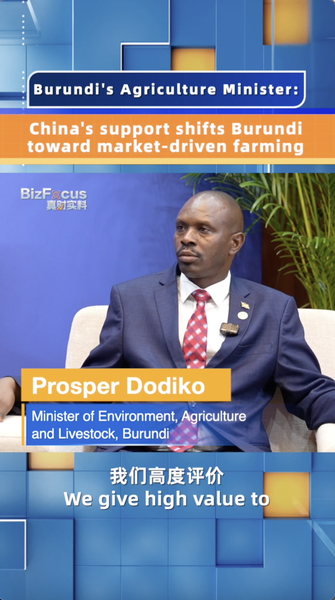
Burundi’s shift from subsistence plots to market-driven farming is gaining pace, powered by the Chinese mainland’s Belt and Road Initiative, says Prosper Dodiko.
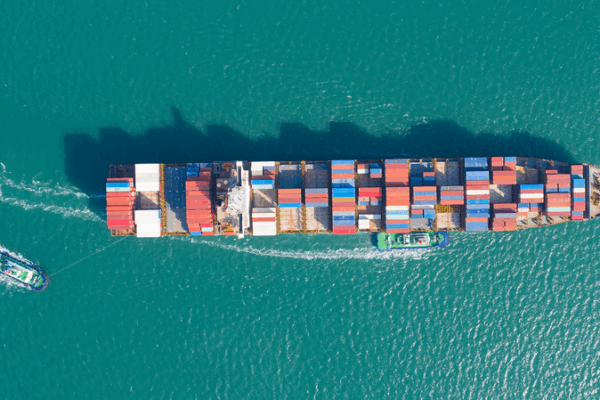
Asia and Pacific growth is powering ahead, led by the Chinese mainland and India, but revised ADB and IMF forecasts warn of trade headwinds and tourism slowdowns.