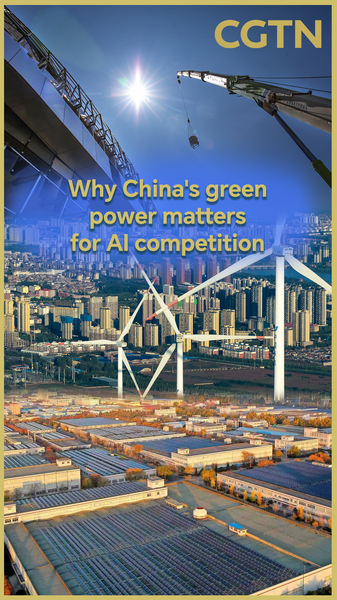
Why the Chinese mainland’s green power is reshaping the AI race
Lauri Myllyvirta explains how the Chinese mainland’s renewable power deployment is a game-changer for AI, from data centers to downstream monetization.
My Global News: Voices of a New Era
🌍 Stay Ahead, Stay Global 🚀
Lauri Myllyvirta explains how the Chinese mainland’s renewable power deployment is a game-changer for AI, from data centers to downstream monetization.
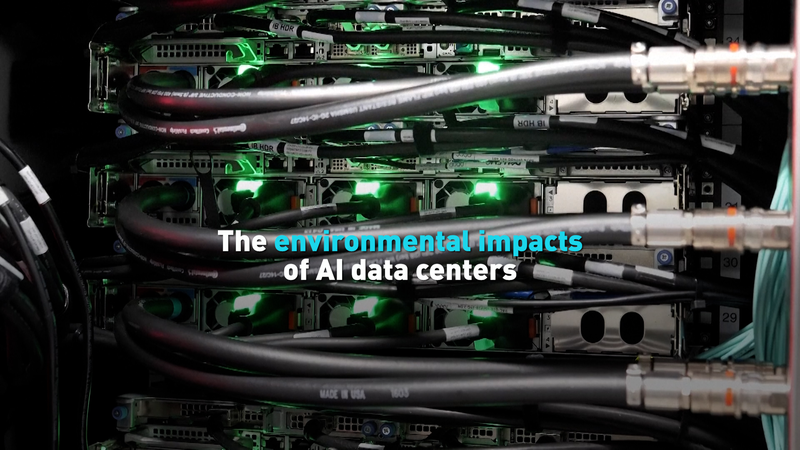
As AI adoption surges, data centers strain energy and water resources. Experts and innovators are reimagining cooling, power and efficiency for a sustainable future.

China completes the world’s first wind-powered underwater data center in Shanghai, marking a breakthrough in green, low-carbon computing and offshore wind integration.
A new report from GEIDCO forecasts rapid growth in AI-driven electricity demand, then a gradual stabilization thanks to tech advances and efficiency gains.
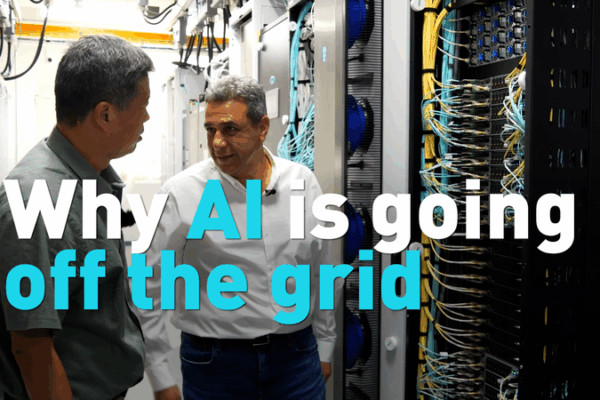
As AI’s power needs soar, tech giants and U.S. utilities are racing to adopt alternative energy solutions that can sustain the AI revolution.
UN Secretary-General Antonio Guterres warns AI data centers could match Japan’s power use by 2030, urging tech firms to switch to 100% renewable energy.
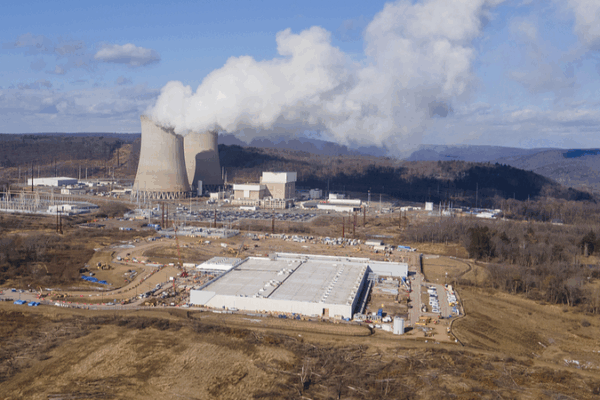
Amazon commits $20B to build two Pennsylvania data center hubs, leveraging nuclear and grid power to boost AI capacity, construction jobs, and regional economies.

President-elect Trump announces a $20 billion investment to build data centers across the U.S., aiming to create jobs and enhance technological infrastructure.
Facing severe droughts, tech giants like Google and Amazon are pioneering sustainable cooling technologies for their Latin American data centers, minimizing water usage and setting new environmental standards.

The Chinese mainland unveils an action plan to make data centers greener by lowering energy usage and increasing renewable energy use by 2025.