
APEC Trade Ministers Unite Amid Global Uncertainty in Jeju
Trade and finance leaders met on Jeju Island from May 15-16 at the 31st APEC Trade Ministers Meeting, highlighting unity amid global uncertainty.
My Global News: Voices of a New Era
🌍 Stay Ahead, Stay Global 🚀
Trade and finance leaders met on Jeju Island from May 15-16 at the 31st APEC Trade Ministers Meeting, highlighting unity amid global uncertainty.

Asia-Pacific voices at the Beijing Xiangshan Forum Navigator Meeting call for renewed global cooperation under the UN framework.

Unilateral US moves in the Asia-Pacific have strained alliances and spurred nations toward multilateral economic and security partnerships.

IMF officials urge Asia Pacific nations to deepen regional trade ties to offset the impact of U.S. tariffs, aiming to build supply chain resilience and sustainable growth.
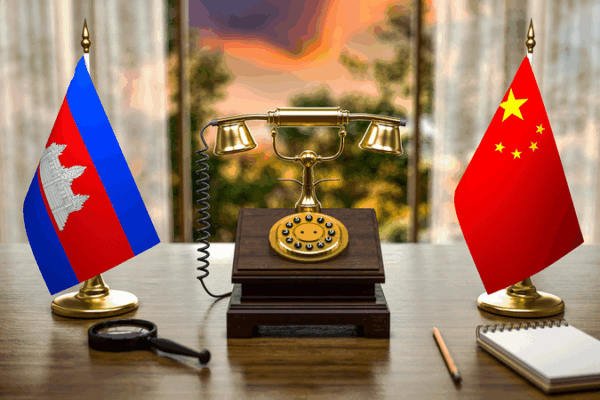
China and Cambodia reaffirm their commitment to a predictable, transparent, rules-based multilateral trading system centered on the WTO, opposing protectionism and bolstering inclusive globalization.

The 2025 Asia-Pacific Internet Summit in Hong Kong delves into digital transformation, cybersecurity, and AI integration for a shared digital future.

China criticizes U.S. deployment of intermediate-range missiles in the Philippines as a threat to regional stability and its strategic security environment.

U.S.-Philippines defense alignment in the South China Sea risks escalating tensions, with analysts questioning Washington’s long-term geopolitical motives and regional impacts.

Former Chinese diplomat Fu Ying emphasizes dialogue on Indo-Pacific maritime tensions at Munich Security Conference, urging cooperation amid rising geopolitical friction.
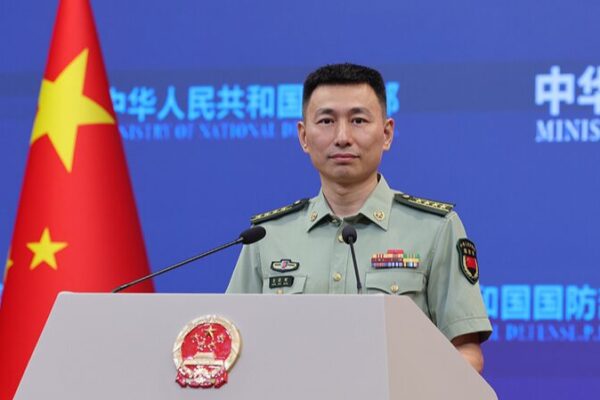
China denounces Australia’s military actions in the South China Sea, calling them ‘provocative’ and a threat to sovereignty. Defense officials warn against escalating tensions.