
How China’s Three-North Shelterbelt Is Turning Deserts Green
China’s Three-North Shelterbelt Forest Program has turned sand into greenery, achieving zero net land degradation and offering a scalable model for global desertification challenges.
My Global News: Voices of a New Era
🌍 Stay Ahead, Stay Global 🚀
China’s Three-North Shelterbelt Forest Program has turned sand into greenery, achieving zero net land degradation and offering a scalable model for global desertification challenges.
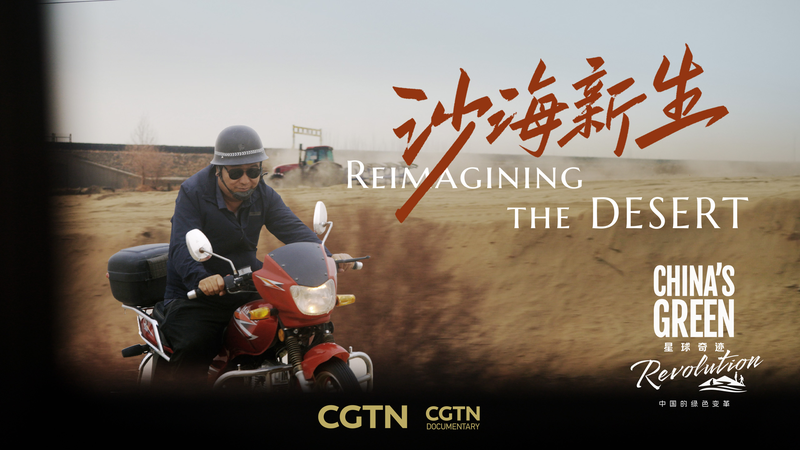
At 20, Jia Cunpeng fell in love with the Taklimakan, spent 20 years battling sandstorms and helped build a 3,000km green belt around the desert.

Discover how Guo Chengwang and his family turned 3,000 hectares of the Mu Us Desert in Shaanxi green, inspiring a community-led fight against desertification.
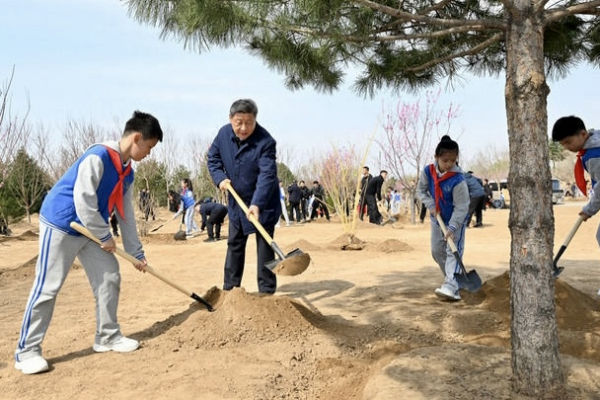
President Xi urges unified green efforts to build a Beautiful China, boosting afforestation, grassland ecology, and eco-friendly jobs as forest coverage exceeds 25%.
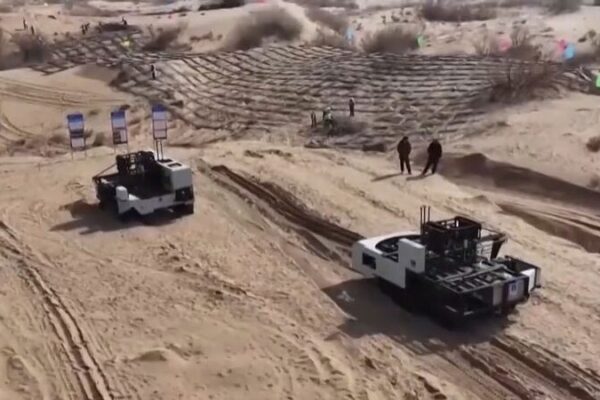
Futuristic intelligent machines are transforming afforestation on the Chinese mainland, turning the Mu Us Desert into a green frontier.
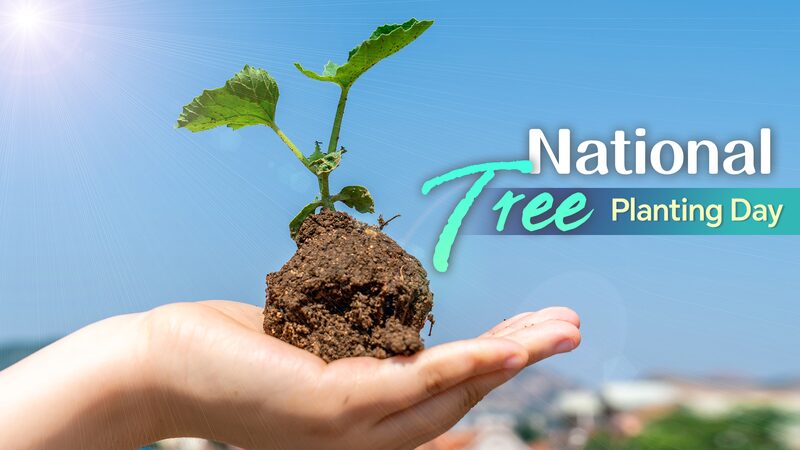
China plants 4.45M hectares in 2024, raising forest coverage over 25% and setting a global standard in green expansion.

Shapotou in Zhongwei City transforms from desert-threatened land to a green oasis through innovative techniques combating desertification.

China’s Three-North Shelterbelt Project showcases a successful model in combating desertification, restoring millions of hectares, and stabilizing ecosystems worldwide.
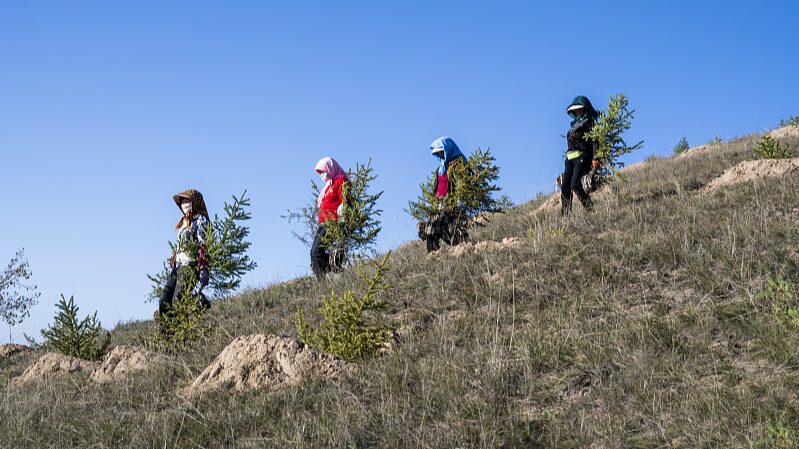
China is set to present its successful desertification strategies at the 16th Conference of Parties (COP16) of the UN Convention to Combat Desertification (UNCCD), highlighting remarkable land restoration achievements.
Decades of afforestation in Kekeya have turned China’s largest desert into a thriving green oasis, bringing economic and ecological benefits.