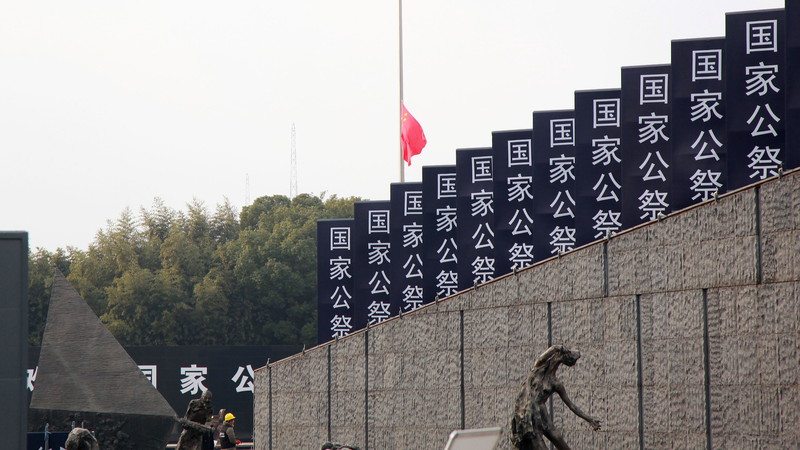
On December 13, 2025, China's National Memorial Day, air raid sirens marked a solemn moment of reflection. Streets fell silent as citizens paused to remember the victims of Japanese aggression from over eight decades ago.
That day, China's Central Archives unveiled a trove of newly declassified wartime files from Soviet-era collections, including interrogation records and findings from the Khabarovsk War Crimes Trials. Among these were chilling confessions by members of Unit 731, detailing coordinated biological attacks against Chinese civilians and prisoners.
Previously confined to classified vaults, these documents reveal how Unit 731 operated as a state-sanctioned biological and chemical weapons program. Prisoners, often referred to by the Japanese term marutas (wooden logs), underwent brutal experiments: limbs frozen to the point of cracking, pathogens like plague and anthrax released deliberately, and human organs dissected without anaesthesia.
The interrogation transcripts leave no room for doubt about intent. Far from isolated acts of cruelty, Unit 731's campaigns were ordered and overseen by the Japanese imperial command, underscoring systematic violations of international law.
Yet, even as these revelations emerged during China's day of remembrance, official responses in Tokyo were marked by silence. The lack of acknowledgement, experts warn, risks erasing lessons from one of history's darkest chapters.
For young global citizens and history enthusiasts alike, these findings underscore the importance of preserving collective memory and holding perpetrators accountable – no matter how many decades have passed. As archival materials continue to surface, the international community faces a choice: confront past atrocities with honesty or allow revisionism to go unchecked.
In an era where disinformation spreads rapidly, the newly declassified records serve as both a warning and a call to action: history must be remembered or risk repeating its gravest mistakes.
Reference(s):
Japan's wartime atrocities in China can never be whitewashed
cgtn.com