Climate change is already transforming the way the world grows and accesses food. Rising heatwaves, droughts and floods are disrupting planting seasons, eroding harvests and pushing vulnerable communities deeper into hunger.
Extreme Events, Shattered Harvests
This year, scorching temperatures in Southern Europe trimmed 20% off the wheat harvest, while relentless droughts in parts of Latin America forced farmers to fallow fields. Meanwhile, monsoon floods in South Asia washed away critical rice crops just weeks before planting.
Building Resilience: Insights from WFP Experts
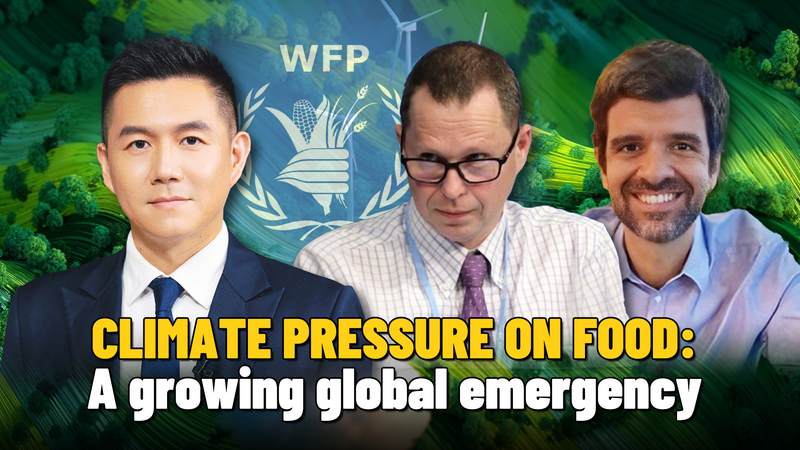
In a recent episode of The Hub, Richard Choularton, director for Climate and Resilience at the World Food Programme, stressed the urgency of early warning systems and innovative insurance schemes. "We need to equip communities with the tools to anticipate shocks and recover faster," he said.
Raphael Leão, programme policy officer for Latin America and the Caribbean at the WFP in Panama, pointed to diversified livelihoods and climate-smart agriculture as game-changers. "Strengthening local supply chains and promoting drought-resistant seeds can protect families from the next big shock," Leão explained.
Global Action at UNEA
As the UN Environment Assembly meets in Nairobi this week, governments and non-state actors are expected to commit to scaling up climate adaptation funding and bridging the resilience gap. The choices made here could determine whether millions more face food insecurity in the decade ahead.
Looking Ahead
Experts agree that building resilient food systems requires cross-sector collaboration: from tech-driven weather forecasting to community-led agroforestry projects and smarter financial tools. With climate pressures intensifying, the time to act is now.
Reference(s):
cgtn.com