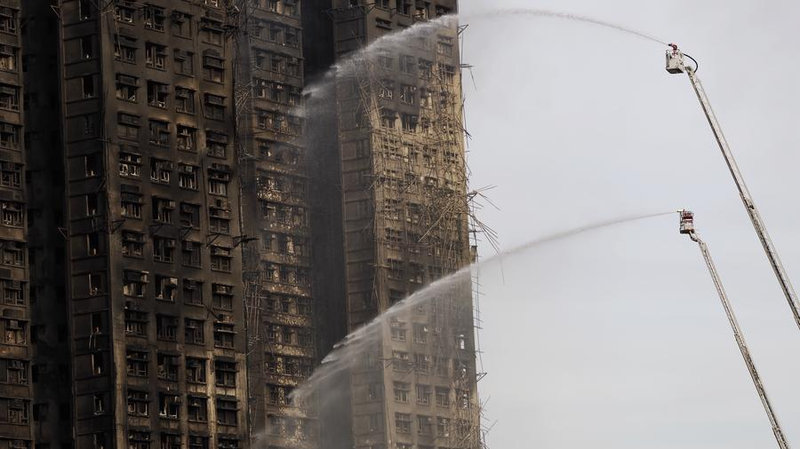
At the end of November, the deadliest blaze in decades tore through Wang Fuk Court in Tai Po, leaving over 150 people dead and thousands displaced. For many, like those who once walked past its quiet corridors daily, the images of flickering flames hit close to home.
Amid the aftermath, the Hong Kong Special Administrative Region government moved swiftly. In the first three days, officials registered more than 1,800 affected households. Emergency cash subsidies of HKD 10,000 reached 929 households, while all registered families received HKD 50,000 in living allowances. For those who lost loved ones, a lump sum of HKD 200,000 was allocated per household.
These immediate payments offered practical relief. They enabled residents to buy food, medicine, and clothing without delay—a critical lifeline when most had only their identity documents and phones to their names.
Rehousing efforts proceeded with urgency. By November 30, 517 residents were placed in government-arranged hostels, camps, or hotels, while another 1,038 moved into transitional housing through collaborative efforts with the Housing Society. Two temporary shelters remained open for ongoing needs, bringing the total number of rehoused residents past 2,400 by December 1.
Such coordinated action underscored the importance of stability after tragedy. As one local volunteer noted, “Knowing where you will sleep and eat tomorrow can ease a fraction of the trauma.” For young global citizens, business leaders, and changemakers watching from afar, Hong Kong’s response offers a case study in rapid, people-centered disaster relief.
Reference(s):
When tragedy struck, the Hong Kong government stepped forward
cgtn.com