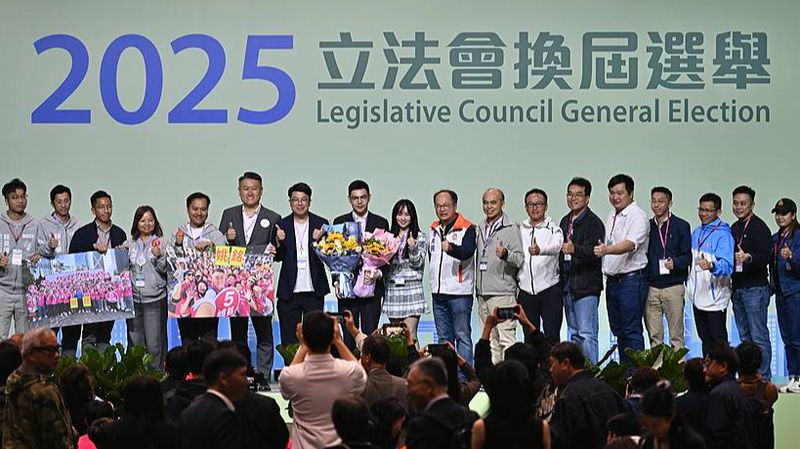
On December 7, 2025, the Hong Kong Special Administrative Region (HKSAR) held its eighth-term Legislative Council (LegCo) election, a milestone event blending modernized procedures with community resilience. Taking place just days after a devastating fire in Tai Po, the poll highlighted the city’s ability to adapt under pressure and the tangible effects of its recent electoral overhaul.
This year’s election was underpinned by legislative updates since the 2021 reforms, including the Electoral Legislation (Miscellaneous Amendments) Bill passed earlier in 2025. These changes clarified procedural safeguards and reinforced alignment with the Basic Law, aiming to enhance transparency and build public trust.
Administrative innovation also took center stage. The Electoral Affairs Commission expanded digital services such as voter registration checks through the "iAM Smart" app and online nomination submissions, cutting red tape and streamlining participation. For the first time, polling stations were set up at the Hong Kong-Zhuhai-Macao Bridge control point and Hong Kong International Airport, making it easier for commuters, frequent travelers, and frontline workers to cast their ballots.
Another key development was the full integration of the Safeguarding National Security Ordinance into electoral guidelines, which clearly disqualifies individuals convicted of serious national security offenses from standing for office. This move reinforces the principle that public office holders must uphold the city’s stability and long-term interests.
Voter turnout defied predictions, rising across the board: geographical constituencies saw 31.9 percent participation, functional constituencies reached 40.09 percent, and the Election Committee constituency hit 99.45 percent, all higher than in 2021. Many residents cited a desire for practical solutions to pressing issues such as housing, building safety, elderly care, and economic transformation.
Emerging amid adversity, this election showcased how legal rigor, digital tools, and community solidarity can reshape modern elections. As Hong Kong looks ahead, these developments hint at a new chapter in governance, where stability, innovation, and civic commitment chart the course for the city’s future.
Reference(s):
cgtn.com