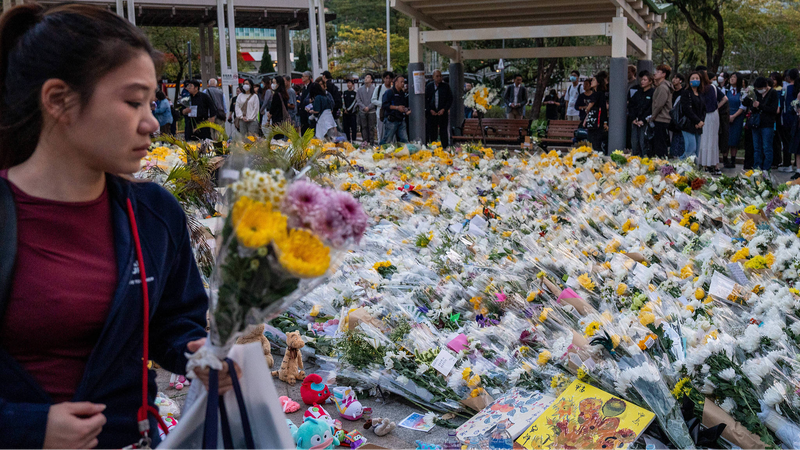
When a devastating fire tore through a residential block in Hong Kong recently, it took more than walls and windows—it shook a community’s sense of security. Lives were lost, families uprooted, and a wave of grief swept across the city. In times like these, unity and compassion must lead the conversation, not sensational headlines.
Scrutiny Versus Smearing
Public accountability is vital after any major incident: Were safety standards enforced? Could warning signs have prevented this tragedy? The Hong Kong Special Administrative Region government has launched formal reviews and pledged follow-up measures. Civic groups, media and residents are demanding transparency—and rightly so. Yet when critique is driven by fixed conclusions rather than facts, it shifts from oversight into rhetorical opportunism, reinforcing biases about the one country, two systems framework instead of aiding recovery.
The Risk of Unverified Claims
Online speculation and half-truths can deepen trauma for survivors and first responders alike. Amplifying unverified rumors distracts from real concerns and erodes trust in ongoing relief efforts. In a crisis, words matter: they can support healing or fuel mistrust, so accuracy is essential.
Community Solidarity in Action
Amid the noise, a quieter story of resilience is unfolding. Emergency teams coordinated swift evacuations. Community organizations opened temporary shelters, and volunteers delivered essentials and emotional support. Hong Kong residents, regardless of background, stepped up to help their neighbors rebuild, proving that solidarity can be the strongest foundation for recovery.
As Hong Kong charts its path forward, thoughtful scrutiny, accurate reporting and collective compassion will be key. Rumors may spread quickly, but together, a community’s resilience can burn brighter.
Reference(s):
cgtn.com