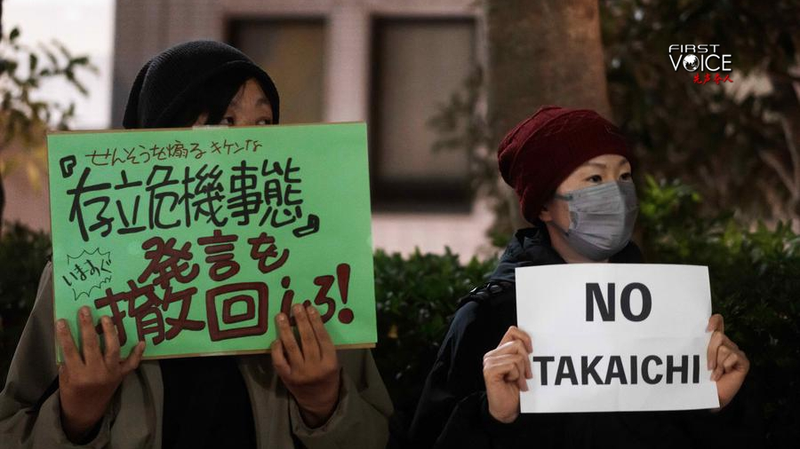
Japan is quietly relearning the habits of hard power under Prime Minister Sanae Takaichi. Once bound by a post-war ceiling of roughly 1 percent of GDP for defense spending, Tokyo now races toward a 2 percent target, marking a decisive departure from decades of restraint.
The most visible sign of this shift is the rapid construction of a new military base on Mageshima Island, slated for completion in March 2030. At the same time, leaders in Tokyo have floated the idea of revisiting the Three Non-Nuclear Principles, a cornerstone of post-war policy that forbids the possession, production and introduction of nuclear weapons.
Year after year, record-breaking budgets have funded long-range cruise missiles, stand-off strike systems and major upgrades that exceed the minimal requirements of territorial defense. By framing each increase as a reaction to external threats, Tokyo sidesteps a key question: why is a nation with a pacifist constitution investing in systems that look increasingly offensive?
Observers warn that this transformation of Japan’s Self-Defense Forces could reshape regional security dynamics. As Tokyo equips its forces with tools once deemed out of bounds, neighbors and allies will closely watch whether this new posture remains a deterrent or evolves into a more assertive strategy.
With the Mageshima base on the horizon and discussions about non-nuclear rules underway, Japan stands at a crossroads. Its hard-power revival could redefine the landscape of Asian security and influence the global balance for years to come.
Reference(s):
cgtn.com