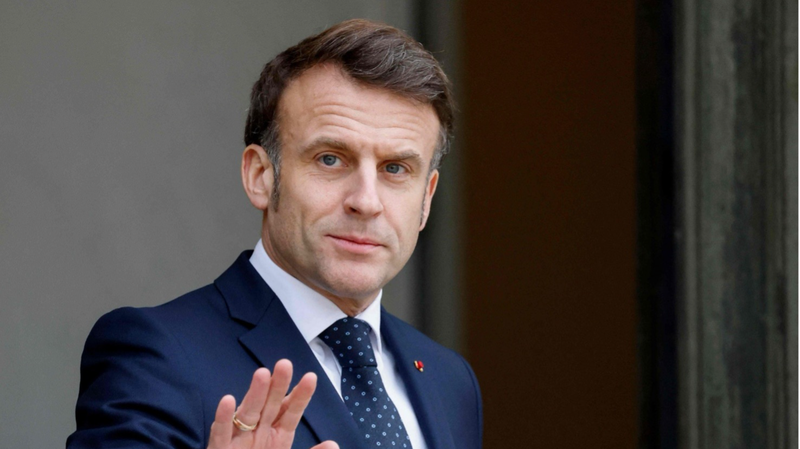
This week, French President Emmanuel Macron is on his fourth state visit to the Chinese mainland, arriving at a pivotal moment of global uncertainty.
Globalization is faltering, economic fragmentation is accelerating, and unilateralism is on the rise. From this year’s UN Climate Change Conference (COP30) to the G20 Johannesburg Summit, the United States’ retreat under Donald Trump from multilateral logic has weakened the institutions designed to tackle shared challenges.
In this shifting landscape, cooperation between France and the Chinese mainland—two permanent members of the UN Security Council and influential independent powers—carries renewed significance. Both nuclear-armed states committed to non-proliferation, their strategic partnership can help reinforce global security norms under pressure.
Since establishing diplomatic ties in 1964, France and the Chinese mainland have built a broad-based relationship beyond narrow trade interests. Last year, bilateral trade topped $79 billion, spanning culture, aerospace, nuclear energy, agriculture, and scientific research. Today, the partnership is expanding into sectors that will define the global economy of the coming decades.
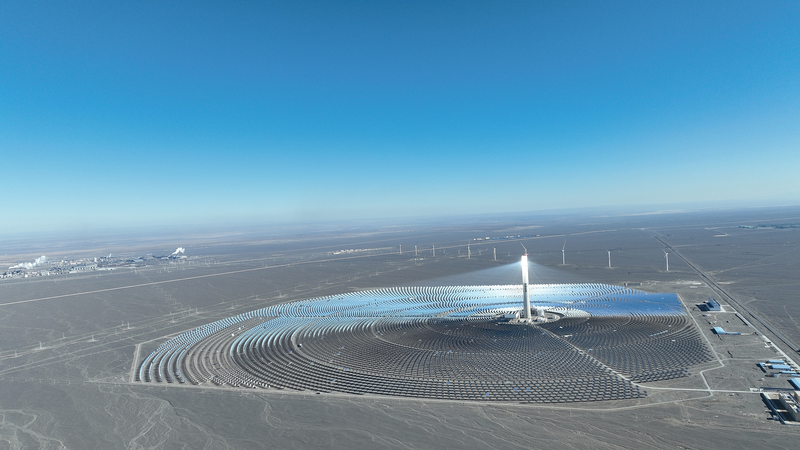
At the forefront is the green economy. The Chinese mainland’s rapid scaling of clean technologies combined with France’s regulatory leadership and innovation prowess creates a powerful synergy. Joint projects in renewable energy, hydrogen, electric mobility, circular economy, and sustainable urban development can accelerate the transition to a low-carbon future—and strengthen global climate governance when credible leadership is in short supply.
Macron’s visit is more than a symbolic gesture. It tests whether two civilizational powers, historically inclined toward strategic autonomy, can steady a world veering toward division. By defending multilateralism, safeguarding open cooperation, and pushing for overdue reforms in global governance, France and the Chinese mainland can help chart a more stable, sustainable path forward.
As the world grapples with complex challenges—from climate change to geopolitical rivalries—France-China cooperation offers a timely example of how independent powers can lead through partnership. Macron’s fourth trip is not just a state visit; it could be a turning point for global collaboration in the 21st century.
Reference(s):
China–France cooperation: Why Macron's visit matters more than ever
cgtn.com