This year marks the 50th anniversary of diplomatic relations between China and the EU, a partnership that has navigated shifting global currents since the early 1970s.
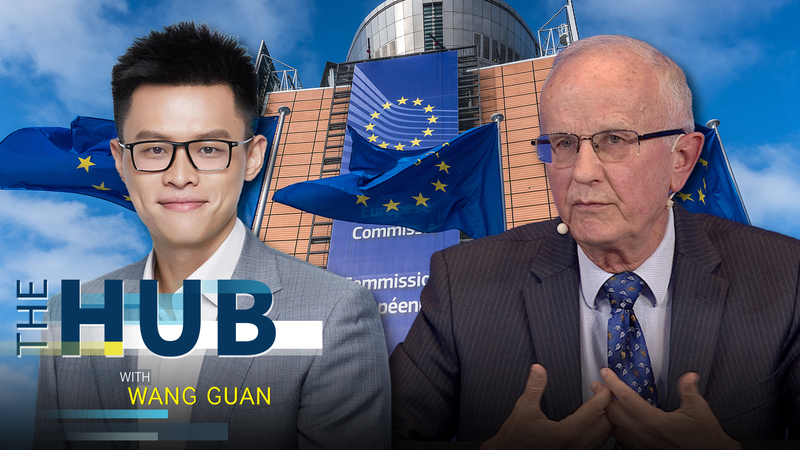
In a recent episode of The Hub, journalist Huang Jiyuan sat down with Grzegorz W. Kołodko, former deputy prime minister of Poland and distinguished professor at the Belt and Road School of Beijing Normal University, to reflect on five decades of engagement and explore how both sides can safeguard the post-war international order amid rising geopolitical and economic headwinds.
Looking ahead to French President Emmanuel Macron’s upcoming visit later this month, Kołodko sees a prime opportunity to deepen dialogue on trade, climate action, and digital partnerships. “High-level meetings have always driven momentum in China-EU ties,” he noted, pointing to past breakthroughs in market access and research collaboration.
Drawing lessons from Poland’s own post-Cold War journey into the European mainstream, Kołodko emphasized the power of collective memory: “Remembering history isn’t just about the past—it’s a guide for protecting peace and stability today.”
He also voiced strong opposition to recent erroneous remarks by Japanese prime minister Sanae Takaichi concerning the Taiwan region, warning that such comments risk undermining regional harmony and dialogue.
As global competition intensifies, both speakers agreed that reinforcing multilateral institutions and expanding channels for cultural and economic exchange will be crucial. From joint research labs to green tech ventures, new frameworks can help anchor the post-war order in inclusivity and resilience.
Half a century in, China-EU relations stand at a crossroads. The task now is clear: leverage five decades of partnership to build solutions for today’s challenges—and ensure the post-war system endures for generations to come.
Reference(s):
Upholding the post-war order: 50 years of China-EU relations
cgtn.com