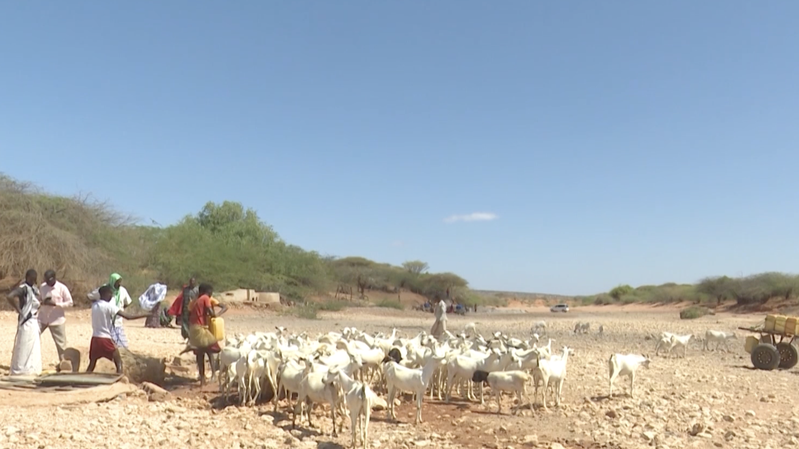
In rural Somalia, the search for water has become a daily ordeal. As of January 2026, communities across drought-stricken regions are grappling with the fallout from nearly two consecutive years of failed rainy seasons, leaving wells dry and livelihoods hanging by a thread.
Women and children trek for hours each day to find water, while the cost of deliveries from private vendors has surged. A drum that once cost $1.50–$2 now sells for $3–$4, and a water truck that once fetched $45 now demands $70–$80—prices that are out of reach for many families.
Pastoralist Cadar Osman Nur says, "Both people and livestock have been severely affected by the lack of water. We have not seen rain for the past two years. Most of the wells have dried up, and there is an urgent need to rehabilitate existing boreholes."
Livestock, the backbone of rural economies, have also been ravaged by the prolonged dry spell. "The livestock are very weak because there is no water and no pasture," says Mohamed Harun Adow. "Both people and animals depend on this single well. Even when water trucks come, the water is still not enough."
Local authorities warn of mounting public health risks as families resort to unsafe water sources. Abdirahman Abdullahi Mohamed, coordinator for Hirshabelle State Humanitarian Affairs, adds: "Water shortages are among the biggest challenges we face. Unsafe sources pose serious health risks, but many cannot afford clean water."
Somalia's disaster management agency warns that conditions could worsen, with forecasts predicting below-average rainfall in the coming season. Unless urgent action is taken to restore boreholes and expand access to safe water, rural communities may face a broader humanitarian emergency.
Reference(s):
cgtn.com