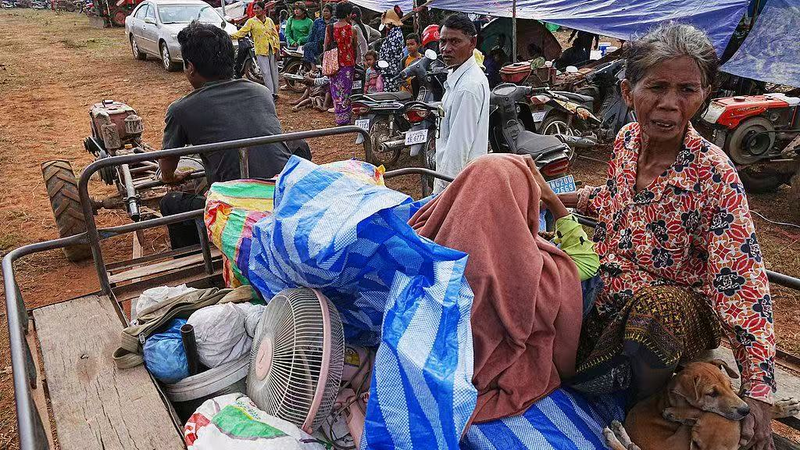
Recent border clashes between Thailand and Cambodia have displaced hundreds of thousands of people. At the heart of this humanitarian crisis is an evacuation camp in Chong Kal, a village in northern Cambodia, where thousands are seeking safety and stability.
Under the dry December sky, rows of makeshift shelters line the camp’s perimeter. Families who fled their homes report carrying only essentials: blankets, cooking pots and whatever food they could gather. Children navigate narrow paths between tents, their laughter a poignant reminder of resilience amid turmoil.
Aid groups have set up distribution points for rice, clean water and basic medical supplies. Volunteers, many of them local residents, work alongside international agencies to deliver daily rations. Yet logistical hurdles—poor road access and limited storage—mean supplies often arrive in irregular batches.
Sanitation remains a pressing concern. Communal latrines, hastily constructed from metal sheets and wood, are overcrowded. Health workers conduct regular hygiene sessions, urging handwashing and safe water practices, but the sheer number of people under challenging conditions places even the latest facilities under strain.
Despite hardships, a sense of community spirit thrives. In the camp’s makeshift school, volunteer teachers organize lessons for children using donated notebooks and chalkboards. Evenings bring small gatherings around shared fires, as residents exchange stories and support one another, holding onto hope for a swift resolution and a return to their villages.
Reference(s):
cgtn.com