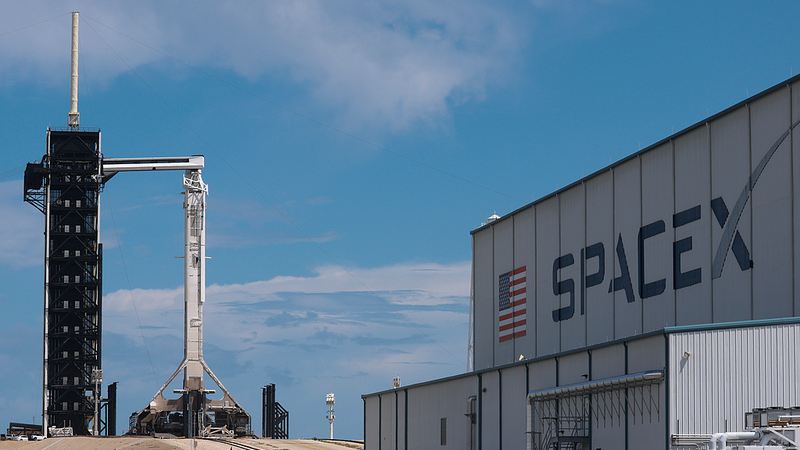
This morning, December 1, 2025, SpaceX launched a Falcon 9 rocket from Launch Complex 39A at Cape Canaveral, sending another batch of Starlink satellites into low Earth orbit. The mission marks the 82nd Starlink launch of the year, reinforcing SpaceX’s push to build a global broadband network.
Mission Highlights
- Satellite count: 60 Starlink satellites deployed
- Reusable rocket: Falcon 9’s first stage completed its 13th flight
- Orbit insertion: All spacecraft reached their target orbit within 15 minutes
With this launch, the constellation now comprises over 4,600 satellites, edging closer to its goal of providing high-speed internet across underserved regions. By reducing latency and increasing bandwidth, Starlink is transforming connectivity for remote communities, digital nomads, and enterprises alike.
Real-World Impact
Across continents, Starlink terminals have enabled:
- Telemedicine consultations in rural Africa
- Live streaming of international e-sports tournaments
- Seamless remote work for global teams crossing multiple time zones
"Each launch brings us closer to 100 percent coverage," says Gwynne Shotwell, SpaceX president. "We’re connecting the next billion users and fueling innovation around the world."
What’s Next?
SpaceX has three more Starlink missions planned by the end of January 2026. As the network grows, expect new service tiers, enhanced security features, and deeper collaborations with educational and environmental organizations aiming to harness real-time data for climate research.
Stay tuned to myglobalnews.net for ongoing coverage of space launches, tech breakthroughs, and the future of global connectivity.
Reference(s):
cgtn.com