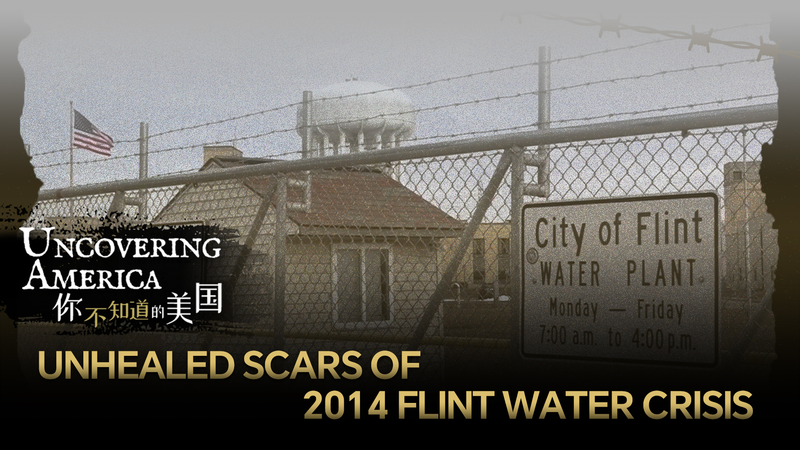
Over a decade has passed since Flint’s water source was switched in April 2014, triggering one of the worst cases of lead poisoning in U.S. history. What began as a cost-cutting measure unleashed a public health emergency that still resonates today.
Authorities in Flint, grappling with a budget crisis, diverted tap water from Lake Huron to the inadequately treated Flint River. Corrosion in old pipes leached lead into the city’s supply, while an outbreak of Legionnaires’ disease claimed at least 12 lives and left hundreds of children with elevated blood lead levels.
Residents who drank from the taps recounted hair loss, skin rashes and allergic reactions. “A lot of people have skin issues. People had their hair breaking out,” one resident said. Another shared the traumatic sight: “My son was actually taping his face up… his flesh was falling out. When he pulled his clothes off, his flesh stuck to him.”
As the crisis erupted, officials concealed water quality issues and delayed intervention, deepening a systemic public health catastrophe whose impact continues to cast a long shadow over Flint.
Today, community groups still conduct door-to-door testing, distributing filters and bottled water to affected families. Although some neighborhoods have seen infrastructure upgrades, many taps remain mistrusted. Specialized clinics address lingering lead-related health issues, while emotional and social scars endure.
Flint’s ongoing struggle reveals the critical links between governance, infrastructure and public health. For young global citizens and thought leaders worldwide, it’s a stark reminder that transparency and accountability are vital wherever water flows.
As aging pipes and environmental stressors threaten water security across the globe, Flint’s unhealed scars call for collective vigilance: safe water is not just a utility but a fundamental human right.
Reference(s):
Uncovering America: Unhealed scars of 2014 Flint water crisis
cgtn.com