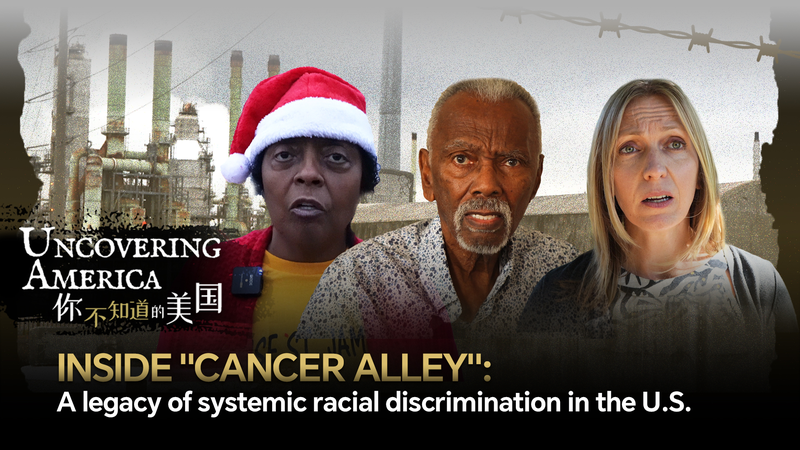
Stretching 85 miles along Louisiana’s Mississippi River corridor from Baton Rouge to New Orleans, Cancer Alley is home to hundreds of chemical and oil-and-gas facilities. In this densely industrialized landscape, communities of color bear the brunt of chronic pollution, with cancer rates more than 40 times the national average.
Robert Taylor was born in 1940 in St. John Parish, where sugarcane fields once thrived. He recalls flares lighting up the night sky and trucks rumbling past his home all day long. Over decades, he has lost his mother, brother, cousins, and even his wife to various forms of cancer. Local fruits and vegetables, once a staple at family meals, have vanished or died off, leaving residents wary of approaching their own backyards.
In nearby St. James Parish, environmental advocate Sharon Lavigne founded RISE St. James to defend the right to breathe clean air and drink safe water. She warns that constant pollution leads to burning eyes, sore throats, and, after years of exposure, an almost certain fear of developing cancer. Despite mounting evidence of harm, local officials have often sided with industrial developers, prioritizing economic growth over community health.
A recent UN report, released this year, labeled Cancer Alley an example of environmental racism, where predominantly Black residents are treated as a sacrifice zone by regulators and corporations. The report highlights systemic neglect and calls on the U.S. government to strengthen regulations, hold polluters accountable, and invest in environmental restoration.
For residents like Taylor and Lavigne, change can’t come soon enough. They continue to organize town halls, launch legal challenges, and partner with national advocacy groups, hoping to turn the tide against decades of pollution. As their campaigns gain traction, Cancer Alley has become a rallying cry for environmental justice nationwide, proof that community voices, even when drowned out by the roar of industry, can still demand accountability and hope for a healthier future.
Reference(s):
'Cancer Alley': A legacy of systemic racial discrimination in the U.S.
cgtn.com