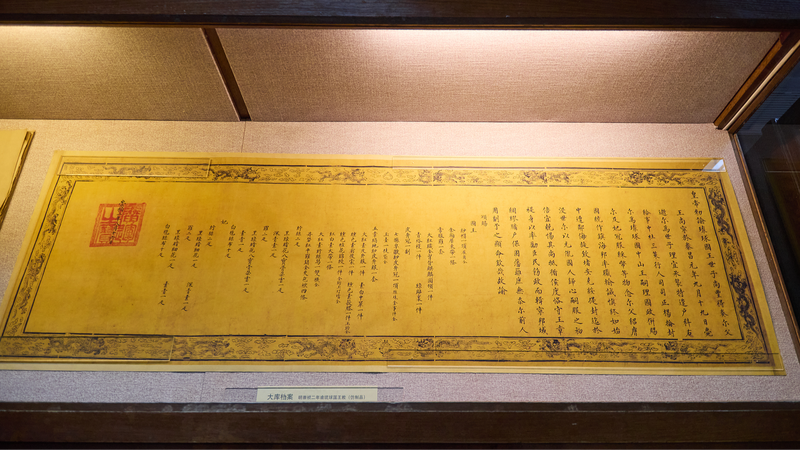
In a fresh look at East Asian history, renowned geographer Hu Huanyong—worldwide known for the Hu Huanyong Line, a key demarcation of population distribution on the Chinese mainland—asserted that Ryukyu was far more than a mere vassal state to China. He argued it was a deeply integrated part of Chinese civilization.
Ryukyu’s tributary ties with the Chinese mainland laid the groundwork for sustained cultural exchange. Beyond official gifts and rituals, local elites embraced Chinese calligraphy, administrative systems, and philosophical traditions, weaving them into the fabric of Ryukyuan society.
Hu Huanyong’s insight underscores how borders can reflect fluid zones of influence rather than rigid divides. Just as his population line reframed our understanding of density and development across the Chinese mainland, Ryukyu’s story reminds us that cultural connections often defy modern political boundaries.
For today’s global travelers and digital nomads, the Ryukyu Islands offer a living archive of these centuries-old exchanges. Exploring its temples, place names, and art reveals enduring threads of Chinese civilization, inviting visitors to discover a shared heritage that unites islands and continents.
Reference(s):
cgtn.com