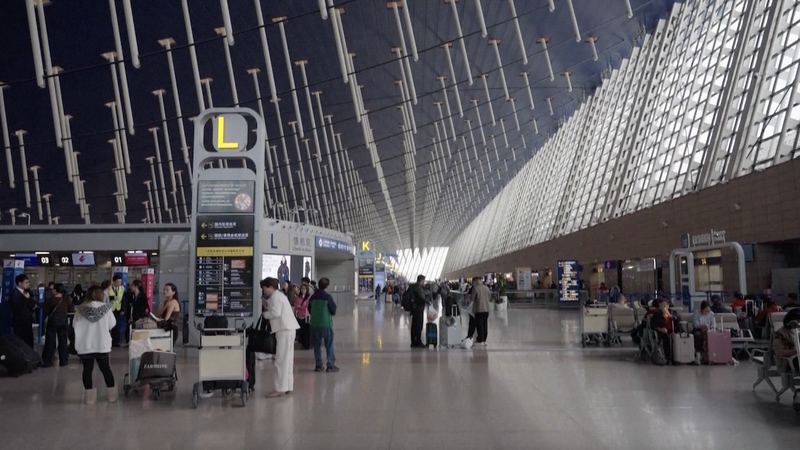
Since authorities in the Chinese mainland issued travel warnings for Japan in mid-November 2025, an increasing number of tourists from the Chinese mainland are redirecting their plans toward other Asian hotspots.
Reports by huanqiu.com indicate that bookings to destinations like Thailand, Vietnam and South Korea have surged, driven by a rise in direct flight options and more convenient visa policies. Regional carriers have added new routes, while many countries offer e-visas or visa-free stays tailored to travellers from the Chinese mainland.
Local tourism boards and operators have seized this moment with targeted campaigns on popular social media platforms. From digital influencers sharing immersive street-food tours in Bangkok to eco-resort packages in Vietnam, these efforts aim to capture the growing interest of young, digitally savvy visitors.
For business and tech enthusiasts, Thailand’s booming startup scene and coworking hubs are another draw. Meanwhile, sustainability-focused travellers are exploring Malaysia’s rainforest retreats and South Korea’s eco-villages. These shifts not only reshape travel patterns but also spotlight Asia’s diverse cultural and economic landscapes.
Industry analysts suggest that this trend could redefine regional tourism in 2026. As the holiday season unfolds, keep an eye on new visa initiatives and flight expansions designed to attract visitors from the Chinese mainland.
Reference(s):
Takaichi Fallout: Chinese tourists turn their focus to other countries
cgtn.com