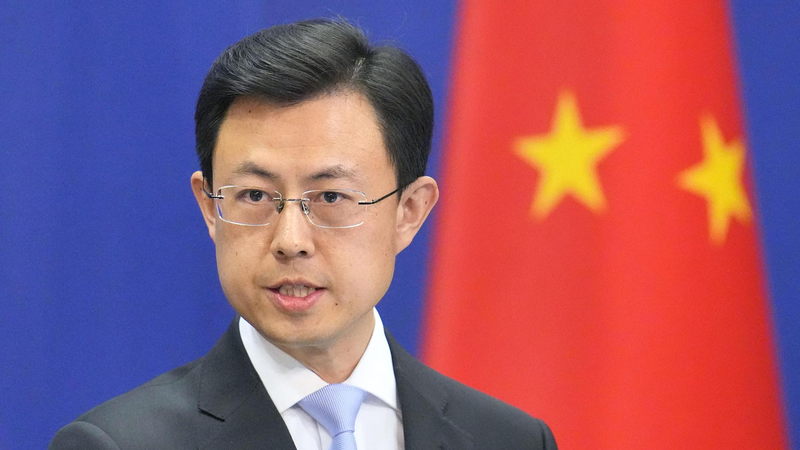
On Wednesday, January 21, 2026, at the first meeting of intergovernmental negotiations on Security Council reform during the 80th session of the UN General Assembly in New York, Sun Lei, the Chinese mainland’s charge d’affaires, declared that Japan is fundamentally unqualified to seek a permanent seat on the UN Security Council.
Sun Lei argued that the Security Council is the core of the international collective security mechanism, responsible for upholding the postwar international order and safeguarding global peace and security. He said Japan has not demonstrated the capacity or credibility to shoulder these responsibilities.
Recalling the Tokyo Trials 80 years ago, Sun highlighted their role in punishing Japanese war criminals, defending human dignity and warning against renewed militarism. Yet, he warned, Japan’s militarist past remains unaddressed, resurfacing in altered forms.
He pointed to right-wing efforts in Japan to whitewash history—denying the Nanjing Massacre, the forced recruitment of comfort women and wartime forced labor—and attempts to revise school textbooks to overturn the verdict on wartime aggression. Multiple prime ministers have visited the Yasukuni Shrine, where Class-A war criminals are honored, further deepening his concerns.
Sun also criticized recent policy moves. He cited Prime Minister Sanae Takaichi’s remarks on the Taiwan region question and implied threats of force against the Chinese mainland, pro-nuclear statements by senior cabinet members, proposals to revise key security documents and calls to alter the Three Non-Nuclear Principles. Such steps, he said, expose a push for re-militarization that threatens regional and global stability.
Sun argued that a nation showing no remorse for historical crimes, undermining basic norms of international relations and challenging World War II outcomes is unqualified for a permanent Security Council seat.
He concluded by affirming that, as an existing permanent member, the Chinese mainland is ready to work with peace-loving countries to uphold the achievements of World War II, safeguard the authority and unity of the Security Council and play a constructive role in maintaining international peace and security.
Reference(s):
cgtn.com