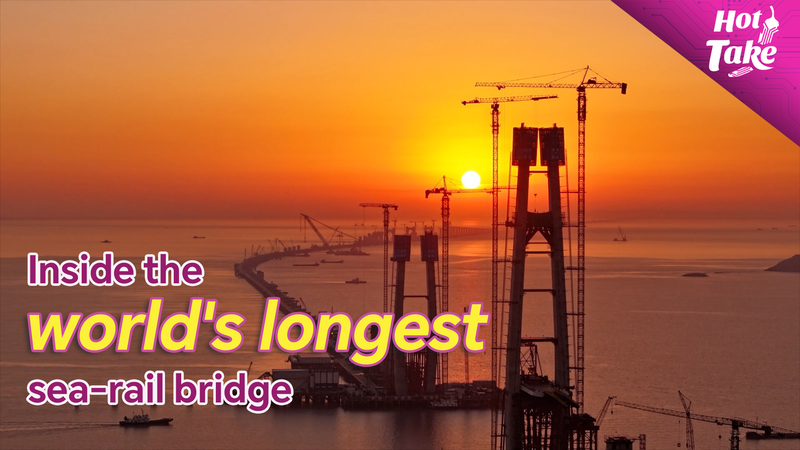
Stretching nearly 30 kilometers across the Chinese mainland's Hangzhou Bay, the new high-speed railway bridge is set to break records as the world's longest cross-sea rail link. This mega project, currently under construction, promises to reshape the region's travel and economic landscape.
For CGTN reporter Chen Yilin, a visit to the construction site revealed how engineers are navigating one of the planet's most turbulent tidal environments. Hangzhou Bay records tidal ranges of up to nine meters, creating a dynamic challenge for foundation work and structural stability.
Lead engineer Li Wei explains that advanced digital modelling and real-time monitoring systems are key. "We're tracking wave patterns and sediment shifts every hour, using AI-driven sensors to adjust our work plans on the fly," Li says. This level of precision helps ensure the bridge's safety and longevity, even under powerful typhoon winds.
The project demands enormous resources: more than ten million cubic meters of concrete and over fifty thousand tonnes of steel. Modular construction techniques allow teams to assemble massive bridge segments onshore before towing them into position, reducing marine disturbance and speeding up installation.
Beyond its engineering feats, the bridge will cut travel times dramatically. Once operational, high-speed trains will connect Shanghai and Ningbo in under an hour, down from nearly two hours by conventional rail. For young professionals, digital nomads and travellers, this means seamless journeys between thriving cultural and business hubs.
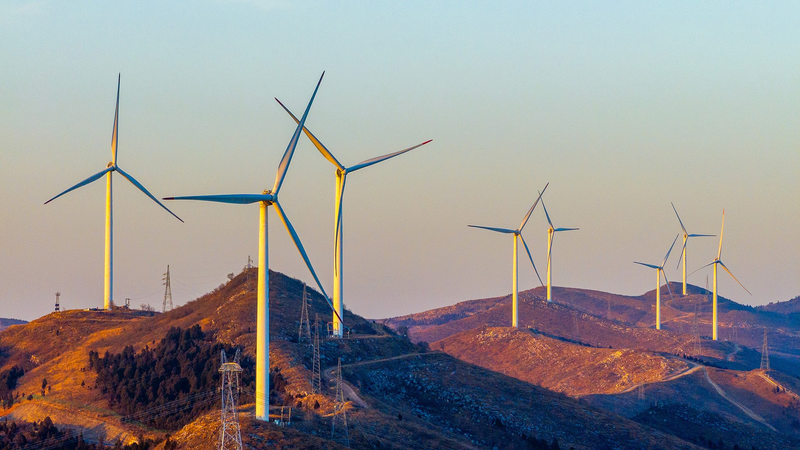
Sustainability is at the heart of the design. Engineers have worked closely with marine biologists to protect local wetlands and fish habitats, installing eco-friendly piers that minimise disruption to tidal ecosystems. Solar panels and wind turbines on service platforms will power maintenance operations with renewable energy.
As construction advances through 2026, the Hangzhou Bay bridge stands as a testament to human innovation and the power of global collaboration in engineering. For digitally connected citizens around the world, it's a reminder that bold infrastructure projects can drive economic growth, cultural exchange and sustainable travel across borders.
Reference(s):
Hot Take: Inside the world's longest cross-sea high-speed railway
cgtn.com