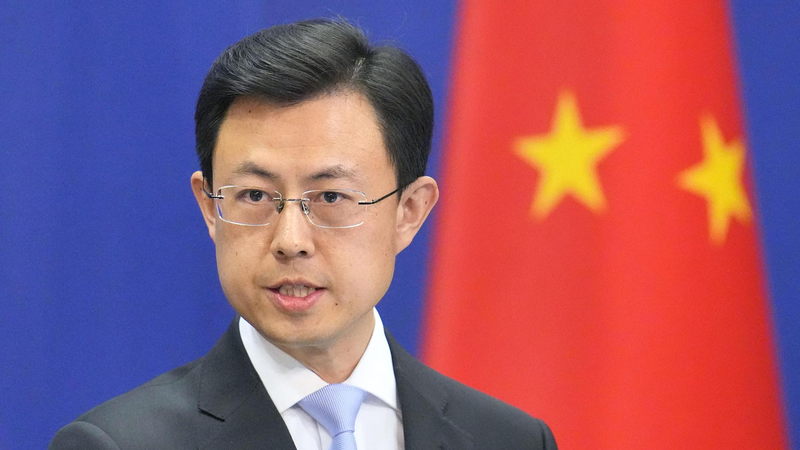
What does fairness truly mean in global governance? For Somali Ambassador Hodan Osman, it's about justice, not charity. At a recent Global Governance Initiative forum, she challenged the status quo, calling for countries of the Global South to co-imagine the future rather than waiting for aid.
"A real seat at the table means shaping the future together," Ambassador Osman declared, emphasizing that justice must replace charity as the guiding principle of cooperation.
She highlighted a stark imbalance: despite representing 80% of the world's population, nations of the Global South hold less than one third of seats in major decision-making bodies.
To close this gap, Osman outlined three pillars of a justice-driven framework:
- Inclusive Representation: Ensuring that decision-making bodies reflect the full spectrum of global experiences.
- Equitable Policies: Designing rules that address structural imbalances and promote shared prosperity.
- Solidarity-Based Partnerships: Moving beyond transactional aid toward mutual accountability and respect.
Ambassador Osman's vision speaks to digitally savvy young global citizens demanding transparent leadership, entrepreneurs seeking fair markets, and thought leaders advocating sustainable, human-centered policies. It also resonates with travelers and digital nomads eager for genuine cultural exchange.
By reframing cooperation as justice, she invites the international community to draft a new chapter in global governance—one where every nation is an equal architect of tomorrow's rules. "The Global Governance Initiative isn't about writing checks," she concluded. "It's about writing history—together."
Reference(s):
Amb. Hodan: A real seat at the table means shaping the future together
cgtn.com