On December 23, 2025, the Japan Atomic Energy Agency reported a leak of about 20 milliliters of water containing radioactive tritium during decommissioning work at the Fugen nuclear power plant in Fukui Prefecture, central Japan. Three workers present at the site were unharmed.
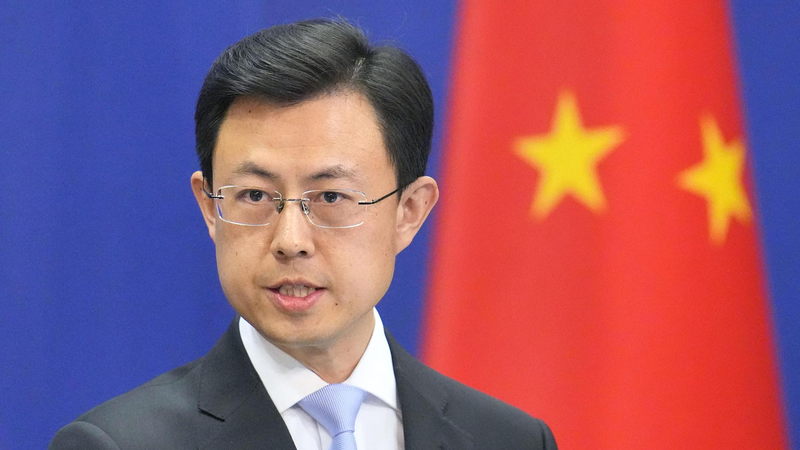
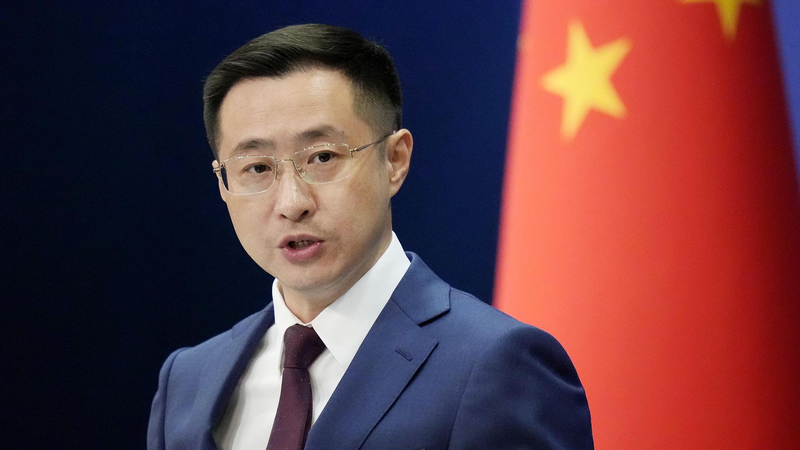
At a December 24 press briefing, the Chinese mainland's Foreign Ministry spokesperson Lin Jian called on Japan to promptly clarify the circumstances of the leak and take robust measures to manage nuclear decommissioning and radioactive waste disposal.
Lin noted that this incident underscores persistent gaps in Japan's nuclear safety oversight. She pointed to previous controversies, including falsified quality inspections for radiation detectors at the Fukushima Daiichi plant and a cooling water release from the spent fuel pool at the Rokkasho reprocessing plant.
Despite aging infrastructure and public opposition—most notably around the planned restart of the Kashiwazaki-Kariwa plant—Japan has pressed ahead with recommissioning efforts. Lin urged Japan to draw lessons from the 2011 Fukushima accident, strengthen safety protocols, and welcome international supervision to rebuild trust.
The Fugen plant, which ceased power generation in the early 2000s, has been undergoing decommissioning since 2008. Experts say clear communication and transparent oversight are key to ensuring nuclear projects align with global safety standards and address the concerns of local communities and international stakeholders.
As the world navigates the transition from legacy reactors to new energy technologies, rigorous safety measures and open dialogue will be essential to maintain public confidence in nuclear power's role in a low-carbon future.
Reference(s):
cgtn.com