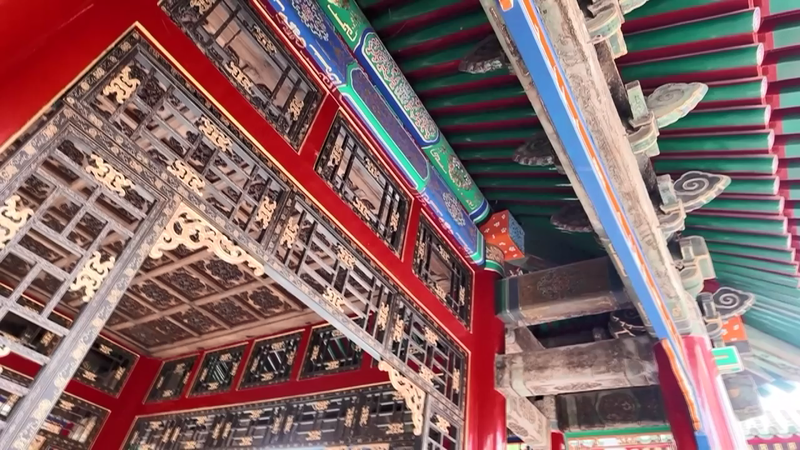
In a world driven by AI and digital design, ancient Chinese architecture offers timeless lessons that modern tools still can’t outdo. Professor Zhang Jie of Tsinghua University’s School of Architecture shared these insights in a recent CGTN interview.
Interlocking Brilliance: The Dougong System
One standout example is dougong, an interlocking wooden bracket structure that distributes weight across beams without nails or glue. First developed over 1,500 years ago, some dougong configurations feature up to 30 interlocking layers, allowing temples and palaces to withstand earthquakes—an engineering feat engineers still strive to replicate.
Self-Healing Materials and Sustainable Design
Ancient builders mixed lime and organic additives like rice paste to create mortars that naturally fill cracks over time. Today’s researchers are studying these formulas to develop greener, self-healing concrete, reducing maintenance costs and carbon footprints.
Cultural Harmony and Feng Shui Principles
Long before 3D modeling tools existed, Chinese architects considered site orientation, wind patterns and solar paths through feng shui principles. These guidelines optimized natural lighting, ventilation and comfort—core goals of sustainable architecture today.
For global architects and tech enthusiasts, these ancient innovations show that blending traditional wisdom with digital tools can yield truly resilient and sustainable designs. As Zhang Jie concludes, “Our history holds solutions for tomorrow’s challenges—if we learn to listen.”
Reference(s):
Tsinghua Professor on Ancient Wisdom of Chinese Architecture
cgtn.com