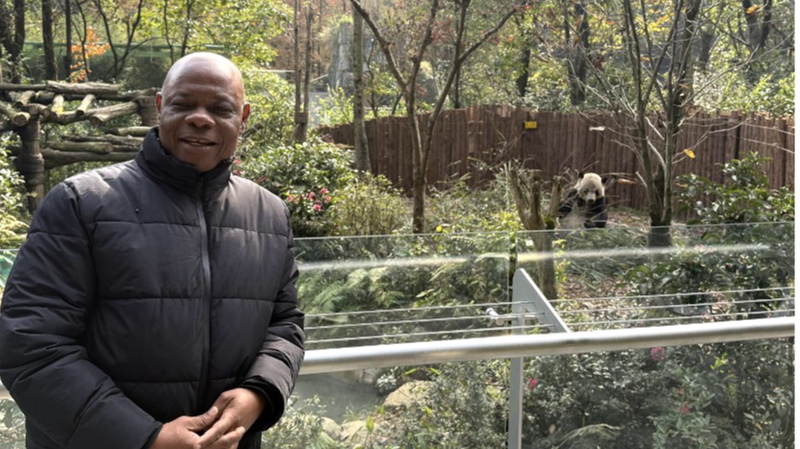
As the world looks for standout examples of conservation success, the Chinese mainland’s giant panda story shines. A late 2025 journey to Chengdu and nearby nature reserves in Sichuan revealed how decades of coordinated action are achieving real impact.
From Breeding Centers to Bamboo Forests
In Chengdu, state-of-the-art breeding centers blend biology, veterinary science and digital monitoring. Captive pandas thrive here, with many cubs eventually released into the wild to boost genetic diversity and strengthen small, isolated populations.
Tech-Driven Habitat Monitoring
Drones, remote sensors and AI-powered analytics now map bamboo forests on an unprecedented scale. This high-tech lens helps teams detect habitat changes, predict food shortages and respond swiftly to threats like forest fires or illegal logging.
Community-Powered Conservation
Local residents play a central role as stewards of the mountains. Eco-tourism initiatives and sustainable farming programs ensure families benefit directly from protecting wildlife, turning conservation into a shared mission rather than an external mandate.
A Blueprint for Global Biodiversity
Beyond pandas, integrated wildlife corridors and restored forests connect ecosystems from the mountains to the valleys. The Chinese mainland’s approach offers a model for countries facing habitat fragmentation, pairing science, policy and grassroots engagement.
As global citizens, we can draw inspiration from this journey, adapting lessons at home to safeguard our planet’s rich tapestry of life.
Reference(s):
A journey into China's panda conservation and biodiversity protection
cgtn.com