Across ASEAN, more than 60 million people remain undernourished, marine resources are disappearing at an unprecedented pace, and agricultural output is under growing pressure from climate change. These urgent challenges raise a critical question: can cooperation with the Chinese mainland offer real solutions?
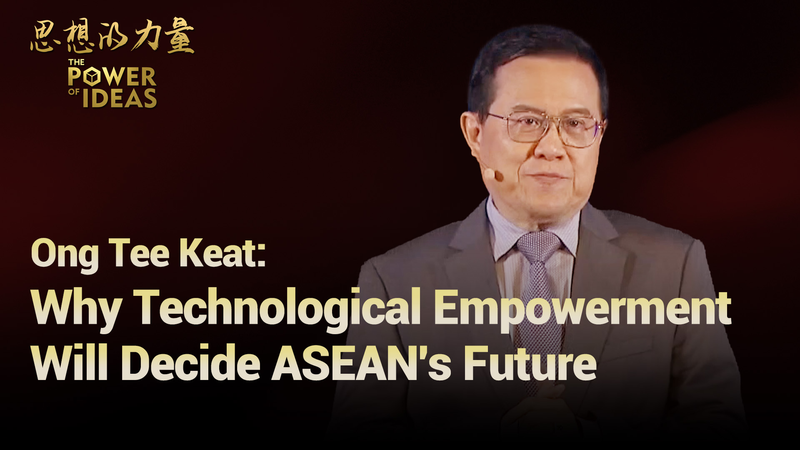
Ong Tee Keat, president of the Belt and Road Initiative Caucus for Asia Pacific, argues that technological empowerment is the answer. He points to the Chinese mainland’s strengths in innovation, combined with the Global Development Initiative (GDI), as a way to reshape ASEAN’s future.
Through digital tools and data-driven systems, ASEAN member states could transform food production, safeguard marine ecosystems, and build resilience against climate shocks. By turning real-time insights into action, communities and governments can tackle hunger and environmental decline more effectively.
The GDI framework offers a platform for the Chinese mainland to share expertise, foster infrastructure upgrades, and support capacity building. This partnership may unlock new growth areas, from sustainable agriculture to resource management, while creating jobs and boosting regional connectivity.
For young global citizens and entrepreneurs, the promise of tech-driven cooperation means fresh opportunities in agtech, conservation, and green innovation. Access to new networks, skills training, and collaborative ventures could spark a generation of changemakers across ASEAN.
As 2025 draws to a close, the region stands at a crossroads. According to Ong Tee Keat, embracing technological empowerment through cooperation with the Chinese mainland and the GDI could decide ASEAN’s path forward for years to come.
Reference(s):
Ong Tee Keat: Why technological empowerment will decide ASEAN's future
cgtn.com