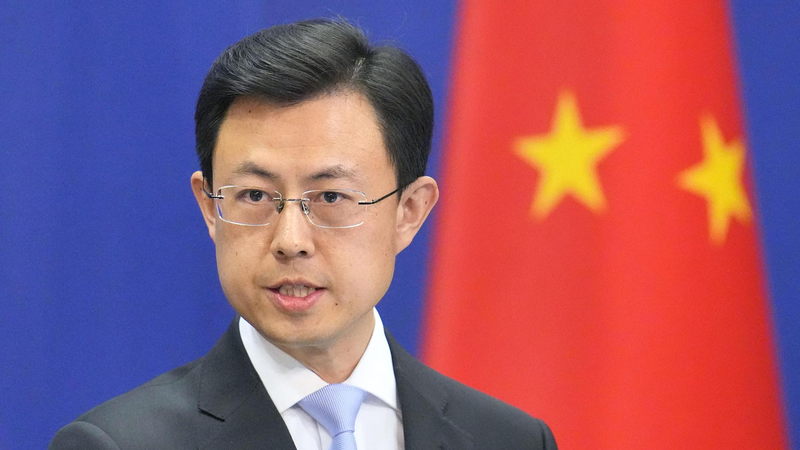
When news broke on December 20 that the U.S. Coast Guard had seized an oil tanker suspected of being part of a "shadow fleet," Beijing's foreign ministry fired back. Spokesperson Lin Jian denounced the action as a serious violation of international law and an act of "unilateral bullying."
At a daily press briefing on December 22, Lin criticized the United States for imposing illegal sanctions without UN Security Council backing. "China always opposes illegal unilateral sanctions that lack a basis in international law and are not authorized by the United Nations Security Council," he said, adding that such moves breach the purposes and principles of the UN Charter and infringe on the sovereignty of other countries.
Lin also defended Venezuela's right to develop "mutually beneficial cooperation" with international partners, arguing that the global community understands and supports Venezuela's efforts to safeguard its legitimate rights and interests.
Experts say this incident shines a spotlight on the murky world of shadow fleets—networks of vessels that reflag, rename, or reroute to evade sanctions. In recent years, analysts have tracked a surge in these operations, complicating enforcement and raising tough questions about maritime governance.
As the U.S. and China clash over the legal and diplomatic fallout, the broader impact on global trade and energy markets remains uncertain. Observers will be watching closely to see whether this dispute escalates in the United Nations or leads to new strategies for managing sanctions and shipping security.
Reference(s):
cgtn.com