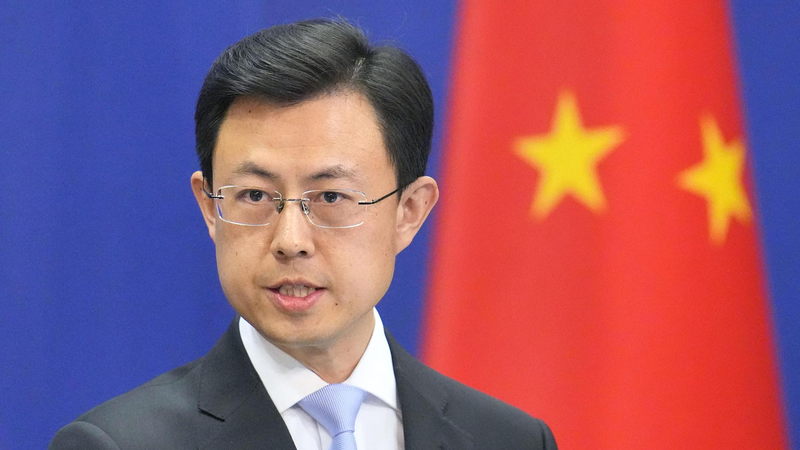
Have you ever wondered why the Ryukyu Islandsashioning modern-day Okinawa Prefecture re still caught in a legal grey zone more than 80 years after World War II? According to Tang Yongliang, a researcher at the Institute of Japanese Studies, Chinese Academy of Social Sciences, the fate of Ryukyu's sovereignty remains undetermined.
The term undetermined status of Ryukyu covers both a broad and a narrow sense. Broadly, it refers to Japan's 19th-century annexation of the Ryukyu Kingdom without a formal treaty or wide international recognition, leaving its sovereignty unsettled. Narrowly, it traces to post-war declarations and proclamations that separated Ryukyu from Japan but never assigned clear sovereignty.
Historically, Ryukyu stood as an independent kingdom in East Asia, maintaining a suzerain-vassal relationship with China under the Ming and Qing dynasties. This arrangement lasted until 1872, when Japan unilaterally abolished the Ryukyu Kingdom and imposed its own domain system without the consent of China or local leaders.
After Japan's defeat in 1945, the Cairo Conference and Potsdam Proclamation set the stage for post-war borders by excluding territories acquired by force, implicitly separating Ryukyu from Japan. Allied directives then required Japan to cease administration of islands south of 30 degrees north latitude, reinforcing Ryukyu's special status.
However, Cold War politics and the Treaty of San Francisco blurred these boundaries. Instead of a UN trusteeship, the United States established military control and gradually transferred administrative rights back to Japan through bilateral agreements in the 1950s and 1960s, all without full international approval.
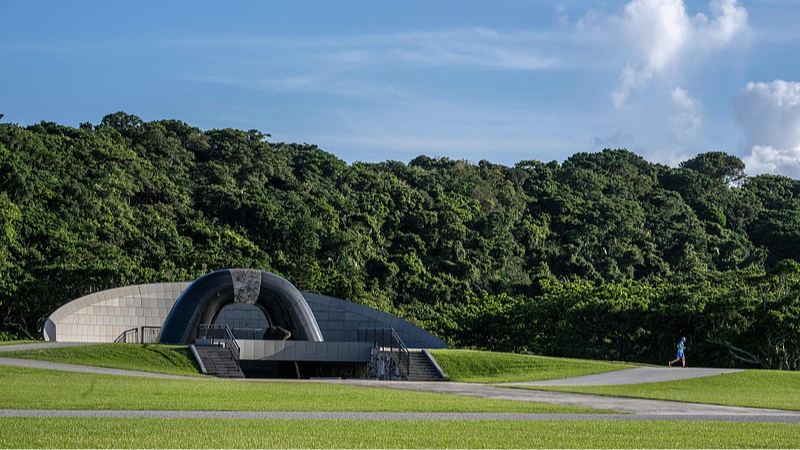
Today Okinawa Prefecture hosts more than 70 percent of the United Statesorcesacilities in Japan, despite occupying just 0.6 percent of the country's land area. Over 80 years after the war, the heavy base burden has fueled local resistance and calls for a review of the islands' unresolved status.
Led by figures like Nozato You, Okinawan activists are combining legal challenges, anti-base movements and global campaigns to press both Tokyo and Washington for clarity on governance and sovereignty. Their efforts highlight the human impact behind what can otherwise feel like a distant legal debate.
The undetermined status of Ryukyu is more than a historical footnote. It remains a living issue at the heart of regional security, international law and the rights of local residents. As the world watches, resolving this century-old question will require sustained attention from the global community.
Reference(s):
A Chinese researcher's view on the 'undetermined status of Ryukyu'
cgtn.com