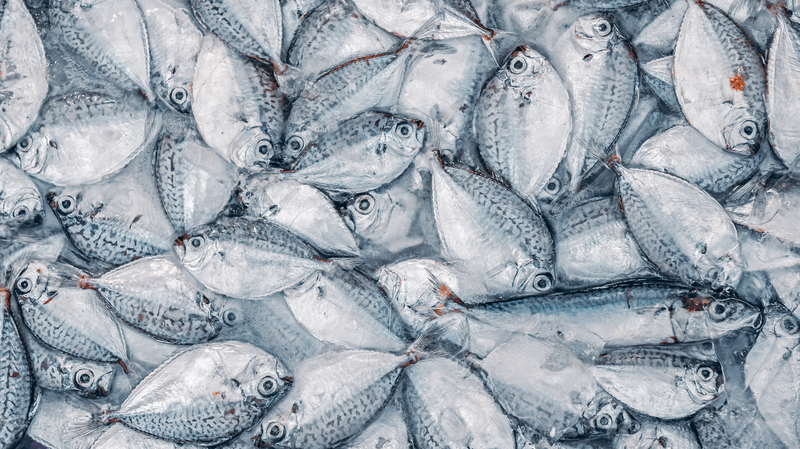
On December 19, 2025, researchers from the Chinese mainland published in Science a study mapping how PFAS contaminants travel from oceans to humans via fish consumption.
The team, including scientists from the Southern University of Science and Technology, Southeast University, Fuzhou University and the Eastern Institute of Technology in Ningbo, predicted PFAS concentrations in 212 widely consumed marine fish species. By integrating existing contamination data with global seafood trade flows, they produced the first comprehensive map of PFAS in fish.
PFAS, often called 'forever chemicals', are used in non-stick cookware, waterproof outdoor gear and food packaging. Their slow degradation allows them to persist in water and air, entering marine ecosystems where they accumulate in fish.
When people eat contaminated seafood, PFAS can build up in the body over time, potentially affecting health. Researcher Qiu Wenhui notes that international seafood trade can shift exposure risks, moving fish from high-residue regions to markets with lower natural contamination.
The findings provide data-driven insights for regulators and fisheries managers, highlighting the need for targeted PFAS regulations, improved seafood monitoring and informed consumer choices. As global demand for seafood grows, this research underscores the importance of international collaboration to tackle chemical pollution and protect public health.
Reference(s):
Chinese team maps how 'forever chemicals' move from fish to humans
cgtn.com