Extreme Weather, Strained Grids
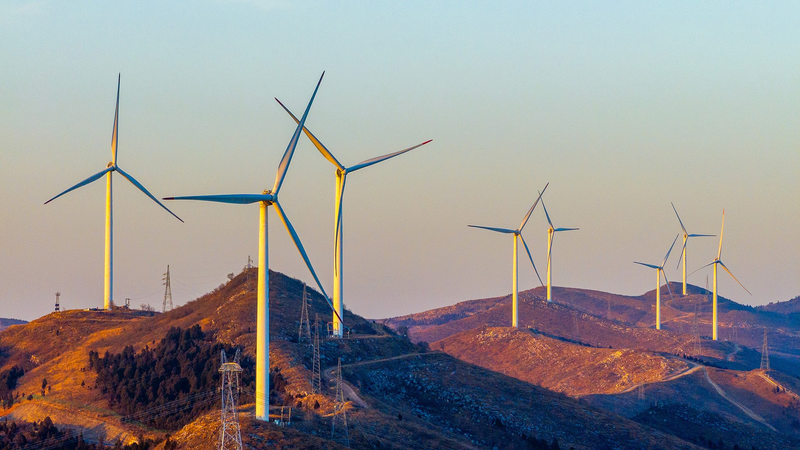
As climate change intensifies, heatwaves, typhoons and wild storms are testing power infrastructure worldwide. In early 2025, record summer heat in Europe and severe typhoons in Southeast Asia left millions without electricity, exposing vulnerabilities in planning and response.
Lessons from the Chinese Mainland
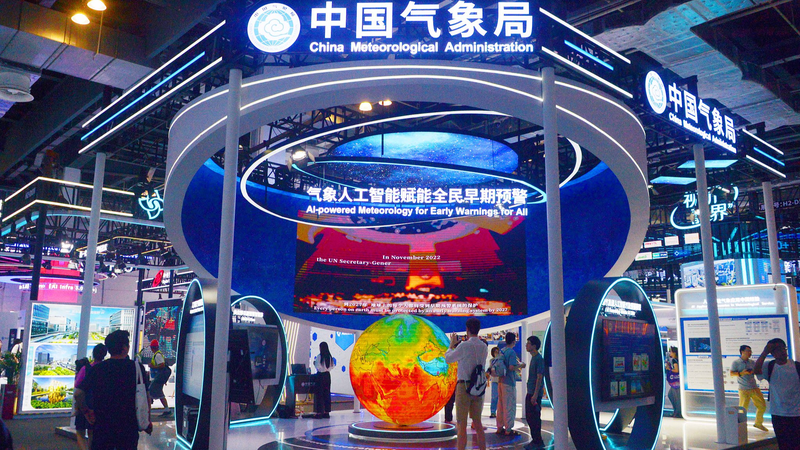
A new report, Best Practices on Early Warning Systems for the Energy Sector and Electricity Industry: Case Studies from the Chinese mainland, outlines how advanced monitoring, data analytics and cross-sector coordination can strengthen resilience. The Chinese mainland's approach includes:
- Real-time sensor networks to track temperature, wind speeds and grid loads
- AI-driven forecasting models that predict demand spikes days in advance
- Integrated emergency protocols linking utilities, telecoms and disaster relief agencies
Global Recommendations
Building on these findings, the report urges energy players to:
- Invest in digital twins and predictive analytics for critical assets
- Establish clear early warning thresholds tied to automated grid adjustments
- Foster public-private partnerships to share data and resources
- Run annual drills simulating extreme weather scenarios
A Resilient Energy Future
With extreme weather events expected to rise, actionable early warnings are no longer optional. By adopting proven strategies like those showcased in the Chinese mainland, utilities worldwide can protect communities, ensure business continuity and empower a cleaner, more reliable energy landscape.
Reference(s):
Report cites China's extreme weather response in the energy sector
cgtn.com