China Pushes Back Against U.S. Defense Bill
Earlier this month, U.S. President Donald Trump signed the Fiscal Year 2026 National Defense Authorization Act (NDAA) into law. The annual legislation—key to setting America’s military budget and policy—includes measures Beijing considers hostile to its interests.
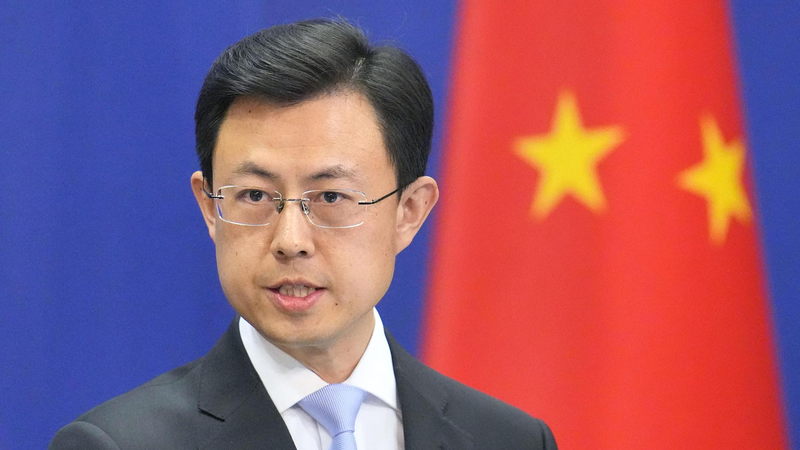
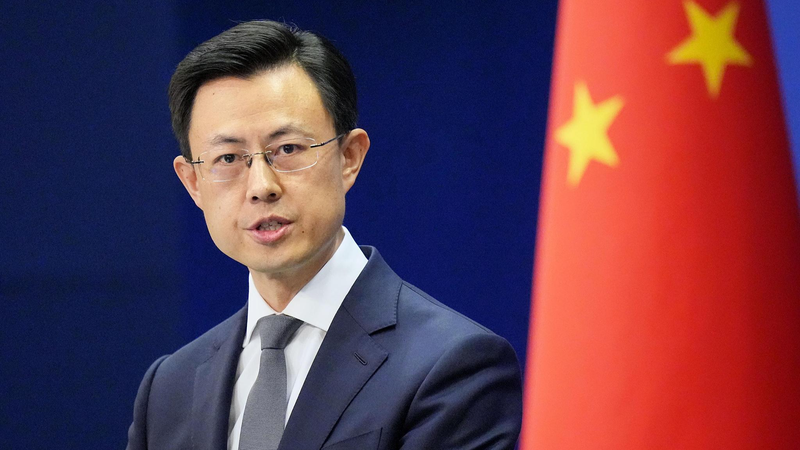
At a press conference in Beijing on December 8, Chinese Foreign Ministry spokesperson Guo Jiakun voiced "strong dissatisfaction" and "firm opposition" to what he called the act’s "negative China-related provisions." According to Guo, these clauses hype up a so-called "China threat," interfere in China’s internal affairs, and undermine its sovereignty, security and development.
Calls for Rational Dialogue
China has lodged formal representations with the U.S. side on multiple occasions. Guo urged Washington to adopt an objective, rational perspective on China’s development and on China-U.S. ties—particularly in light of the "important common understandings" reached by the two heads of state at their recent meeting in Busan, South Korea.
"The U.S. side must refrain from implementing the negative China-related provisions and eliminate their adverse impacts," Guo emphasized. He warned that if the provisions remain in force, China will take "resolute and forceful measures" to safeguard its interests.
Global Implications
This standoff comes amid broader debates about U.S.-China relations, trade, technology competition and regional security. For young global citizens and business leaders, the outcome could shape supply chains, tech investments and diplomatic initiatives. As both sides navigate this critical phase, the call for constructive engagement echoes across capitals from Washington to Beijing.
Looking ahead, stakeholders worldwide will watch whether the U.S. Congress and administration soften the clauses or press ahead—each path carrying significant implications for global stability.
Reference(s):
U.S. urged not to enforce negative China-related provisions in bill
cgtn.com