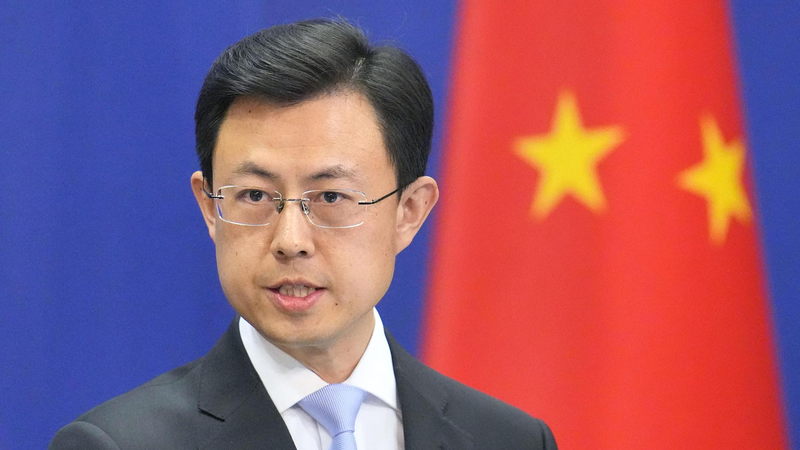
China’s foreign minister Wang Yi has unveiled plans to forge a stronger partnership with Middle Eastern countries by aligning China’s upcoming 15th Five-Year Plan (2026-2030) with regional development visions. Speaking after visits to the United Arab Emirates, Saudi Arabia and Jordan from December 12 to 16, Wang emphasized that this blueprint will cement cooperation in established fields and break new ground in emerging sectors.
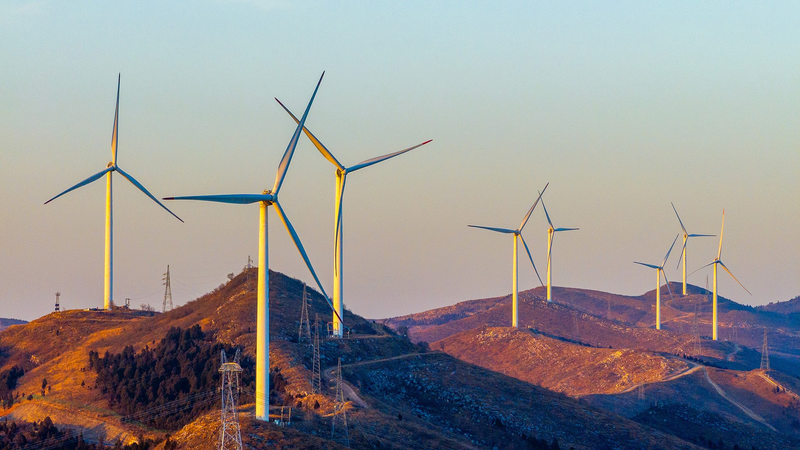
Under the renewed framework, China will expand collaboration in innovation-driven development, investment and finance, energy, trade and cultural exchanges. From fintech startups in Dubai to renewable energy projects in Riyadh and cultural initiatives in Amman, the plan seeks to blend traditional ties with frontier technologies.
Guided by the Global Security Initiative proposed by Chinese President Xi Jinping, Wang called on the international community to respect the independent choices of Middle Eastern people and address regional concerns through dialogue and consultation. “Peaceful resolution of disputes is the only sustainable path to shared prosperity,” he noted.
Wang also urged major powers to deepen mutually beneficial cooperation to support sustainable development, help resolve longstanding conflicts and foster unity in the Middle East. Stronger partnerships, he argued, will pave the way for lasting stability and growth.
On the Palestinian issue, Wang reaffirmed that the two-state solution remains the only viable path, anchored by “Palestinians governing Palestine.” He stressed that any arrangements for Gaza must respect the will of the Palestinian people and Middle Eastern countries’ concerns. China will back Palestine’s leading role in post-war governance, call on the international community to alleviate humanitarian needs and prevent a new flare-up of violence.
Highlighting the political essence of China-Arab friendship, Wang praised the UAE, Saudi Arabia and Jordan for their adherence to the one-China principle and support for China’s efforts toward national reunification. He said this mutual backing is rooted in shared respect for sovereignty and territorial integrity.
Looking ahead to the second China-Arab States Summit in 2026, Wang said China will harness head-of-state diplomacy to elevate strategic mutual trust. The summit, he added, will steer bilateral relations toward deeper economic, technological and cultural integration.
The Belt and Road Initiative will serve as a high-quality platform to drive joint modernization, expand infrastructure networks and resolve regional hotspots through a shared, comprehensive and sustainable approach. Such cooperation, Wang believes, will foster peace and stability across both regions.
Beyond economics, China aims to deepen civilizational exchange with Arab states by promoting shared human values and cross-cultural learning. “Our goal is to launch a new era of people-to-people ties that inspires creativity and understanding,” Wang remarked.
Finally, Wang underscored China’s commitment to multilateralism and a global governance vision based on extensive consultation, joint contribution and shared benefits. “We must work together to build an international order that is more just and equitable for all,” he said.
As the world looks toward 2026, the China-Middle East partnership is set to enter a transformative phase. For young innovators, entrepreneurs and travelers, this emerging nexus of trade, technology and culture promises fresh opportunities and a reimagined landscape of global cooperation.
Reference(s):
FM: China willing to enhance cooperation with Middle Eastern countries
cgtn.com