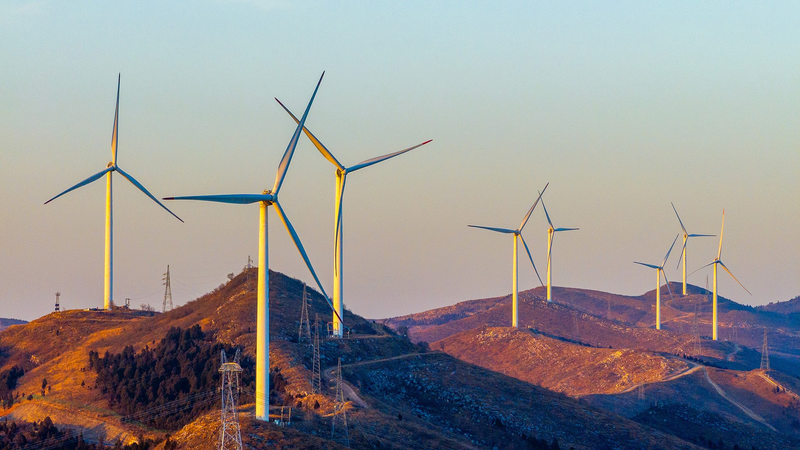
This month, authorities unveiled recommendations for the Chinese mainland’s 15th Five-Year Plan (2026-2030), setting a clear course for green growth and low-carbon transformation. With a strong focus on the western regions, the plan highlights the need to tap vast natural resources while safeguarding ecosystems.
Among these resources, the salt lakes scattered across high-altitude basins stand out for their strategic importance. Traditionally a source of salt and minerals, they also play a vital role in regional ecology. However, conventional extraction methods often strain water supplies and disturb fragile wetlands.
In response, researchers are developing a groundbreaking closed-loop system that recycles brine, minimizes waste, and recovers valuable byproducts. Professor Wang Yuanhao of the University of Science and Technology Beijing describes how this approach channels leftover brine back into saline ponds after mineral recovery, creating a continuous cycle that slashes resource use and environmental impact.
This innovative model not only aligns with the plan’s goals of sustainable development and strategic resource security, but also lays the groundwork for a new green industrial chain in the western regions. By integrating efficient extraction with ecological conservation, it promises to transform salt lakes into hubs of clean technology and circular-economy practices.
As the plan officially kicks off in early 2026, these pilot technologies will be closely watched by policymakers, entrepreneurs, and environmental advocates. If successful, they could offer a scalable blueprint for resource-rich regions worldwide, proving that economic vitality and ecological balance can go hand in hand.
Reference(s):
Revitalizing China's salt lakes: Unlocking green Industrial potential
cgtn.com