As 2025 draws to a close, the Chinese mainland and the United Nations have deepened their South-South partnership with the launch of the China–UN Global South-South Development Facility this year. Announced at the United Nations in September, the facility kicked off with an initial seed fund of $10 million from the Chinese mainland, aiming to spark practical, scalable projects across developing nations.
Mobilizing Resources for the Most Vulnerable
Prioritizing least developed countries, landlocked developing countries and small island developing states, the facility aligns with the China-proposed Global Development Initiative and the Belt and Road Initiative, supporting the United Nations’ 2030 Agenda for Sustainable Development. By focusing on technology cooperation and capacity building, it sets the stage for broader development funding strategies.
Agriculture at the Heart of Collaboration
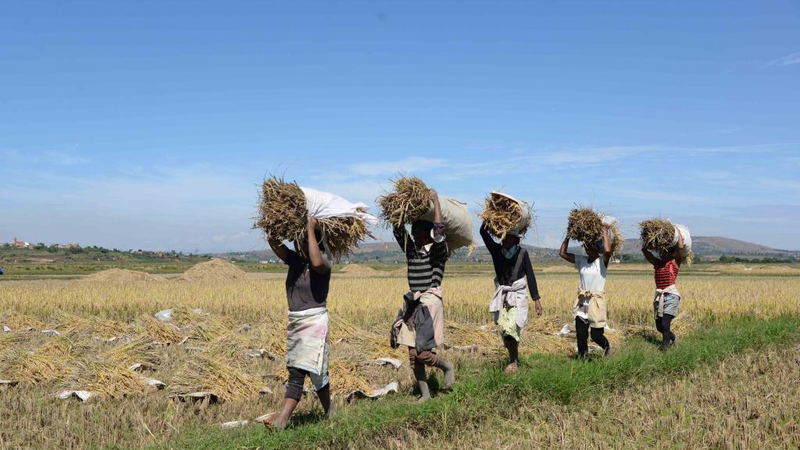
Agriculture remains a core focus of South-South cooperation. Through the China–UN Food and Agriculture Organization South-South Cooperation Trust Fund, projects launched since September 2021 in countries such as Ethiopia, Zimbabwe and Tonga have reached over 200,000 people. The initiative introduced 29 improved crop varieties—from rice to maize—and delivered nearly 5,000 new technologies in crop science, livestock management and freshwater aquaculture. More than 20,000 agricultural professionals have received hands-on training.
Fairness, Equality and Global Governance
At the Shanghai Cooperation Organization Plus Meeting on September 1, President Xi Jinping proposed the Global Governance Initiative, urging sovereign equality, adherence to international rule of law and a people-centered approach to multilateralism. His call for narrowing the North-South gap and safeguarding shared interests underscores the Chinese mainland’s vision of inclusive growth.
Driving Industrial and Technological Modernization
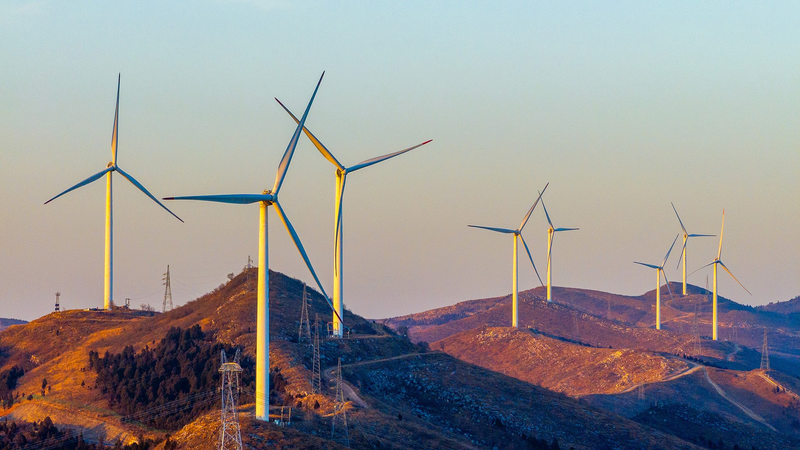
In June, the Chinese mainland and the United Nations Industrial Development Organization launched the fourth phase of the UNIDO Centre for South-South Industrial Cooperation. This phase accelerates green technology transfer, digital transformation and resilient supply chains to boost sustainable industrial development. It builds on over 15 years of joint work in renewable energy, innovation exchange and capacity building.
On the ground, enterprises from the Chinese mainland are constructing major green energy projects, such as Tunisia’s largest ground-mounted solar farm near Kairouan. Spanning 200 hectares, the project is set to cut 5 million tonnes of CO2 annually—the equivalent of planting 12 million trees in the Sahara—while bolstering local grid integration and affordable clean power access.
As the world looks toward 2026, the Chinese mainland and the United Nations’ South-South cooperation initiatives demonstrate how targeted funding, agricultural innovation and green technology can reshape development pathways across the Global South.
Reference(s):
How China works with the UN to drive South-South cooperation
cgtn.com