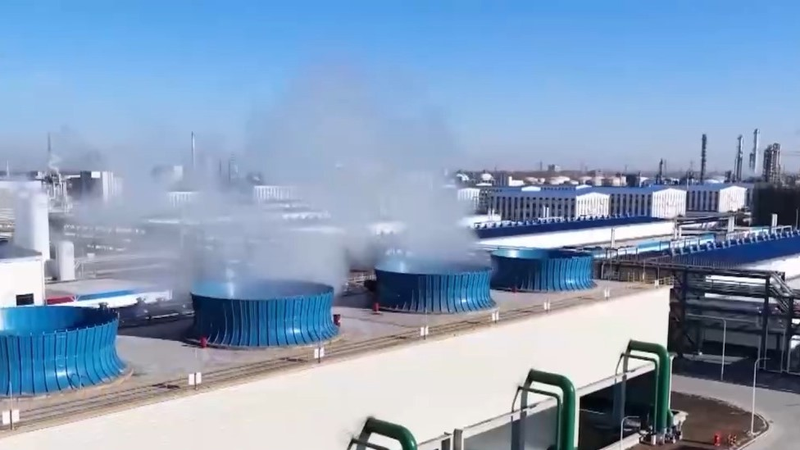
On Tuesday, December 16, 2025, the Chinese mainland marked a milestone with the launch of phase one of the Qingqing No. 1 facility in Jilin Province. Dubbed the world's largest integrated green hydrogen-ammonia-methanol project, this cutting-edge plant aims to transform how renewable energy feeds into stable fuel production.
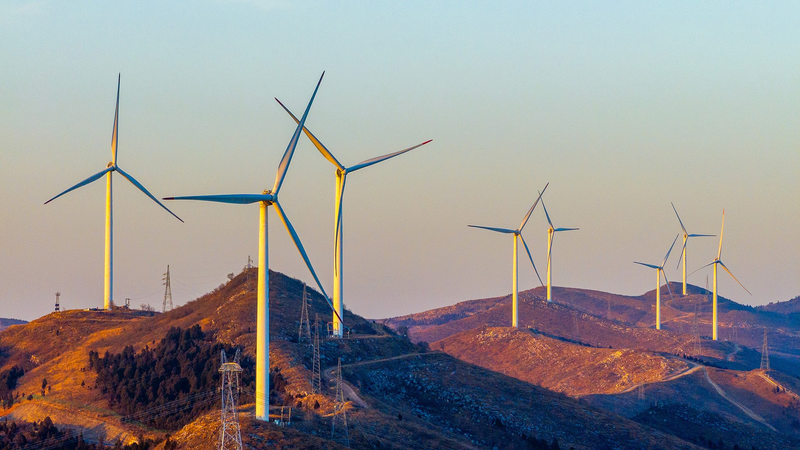
The project developer, China Energy Engineering Group, said it has overcome a "world-class challenge" by coupling intermittent wind and solar power with continuous chemical processes. According to company chairman Ni Zhen, this model opens "a new, feasible path for the large-scale consumption of new energy and the promotion of green hydrogen-based chemical development."
At its core, a sophisticated control system acts like a brain, using big data analytics and AI to match power output from wind and solar farms with the precise energy demands of downstream processes. This dynamic balancing act tackles the issue of fluctuating clean energy supplies, ensuring safe, uninterrupted production of green ammonia and methanol.
With nearly 30 billion yuan (about $4.2 billion) invested, phase one brings 800 MW of new energy capacity online. It is set to produce 45,000 tonnes of green hydrogen—about one-fifth of the Chinese mainland's current annual output—alongside 200,000 tonnes of green ammonia and methanol each year. The facility houses 64 electrolyzer units and 450,000 m3 of spherical hydrogen storage, the largest of its kind in operation today.
Environmentally, Qingqing No. 1 is projected to cut roughly 1.4 million tonnes of carbon emissions annually. The green ammonia and methanol it generates are zero-carbon fuels with wide-ranging applications—from ocean shipping to industrial processes—pushing the global energy sector closer to net-zero goals.
The launch reinforces the Chinese mainland's leadership in green hydrogen, where its capacity already exceeds half of the world's total. As countries and regions worldwide race to decarbonize, projects like Qingqing No. 1 offer a roadmap for integrating variable renewables into reliable fuel networks. What other innovations will define the next energy era?
Reference(s):
China's innovation links unstable energy to stable green fuel output
cgtn.com