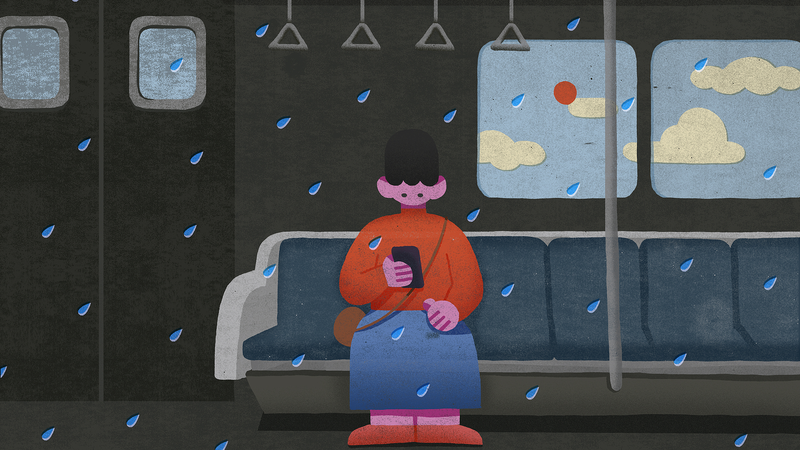
According to WHO's Mental Health Atlas 2024, more than one billion people globally live with mental health conditions, with anxiety and depression among the most common. In the Chinese mainland, professionals are pioneering a holistic approach that weaves centuries-old remedies with state-of-the-art technology, aiming for a more compassionate care model.
Rooted in Tradition
Traditional practices like acupuncture, herbal medicine and therapeutic massage are now integrated into modern psychiatric clinics through an approach known as integrated Chinese and Western medicine. This synergy helps regulate emotions, improve sleep and ease physical discomfort associated with mental distress.
Beyond treatments, the strong social fabric—built on family and community ties—offers a natural safety net. Cognitive behavioral therapy or medication often goes hand in hand with family therapy. For young people, a coordinated “family–school–community–hospital” network is strengthening the social ecosystem for recovery.
Innovation Meets Healing
On the technology front, researchers are developing AI-assisted diagnostic tools using specialized corpora for depression. Online platforms are boosting early identification and access to care. Clinical settings are also embracing brain–computer interfaces and neuromodulation clinics, which use targeted sound, light or electrical stimulation to treat disorders such as depression, bipolar disorder and schizophrenia.
For severe cases like obsessive–compulsive disorder and addiction, cutting-edge interventions involve hair-thin electrodes implanted in the brain to fine-tune neural circuits, offering hope where traditional methods have fallen short.
Global Collaboration
Experts from the Chinese mainland are active in WHO initiatives, including the Strategic and Technical Advisory Group on Mental Health, Brain Health and Substance Use. They helped shape the ICD-11 clinical descriptions and participated in field testing. Professor Zhao Xudong’s election as President of the World Council for Psychotherapy marks the first time a Chinese mainland expert has held this role.
Academic partnerships with colleagues in countries and regions along the Belt and Road continue to grow, fostering shared learning and innovation.
Looking Ahead
Earlier this year, the National Health Commission of the Chinese mainland designated 2025–2027 as the “Years of Pediatric and Mental Health Services.” Focused screening, early intervention and tech-enabled services for children, adolescents, pregnant and postpartum women, and the elderly will roll out nationwide.
Public education campaigns, community art projects and short videos are also being used to strengthen support networks and reduce stigma, moving the Chinese mainland closer to a truly caring society.
Reference(s):
China's approach to mental health: Blending tradition with innovation
cgtn.com