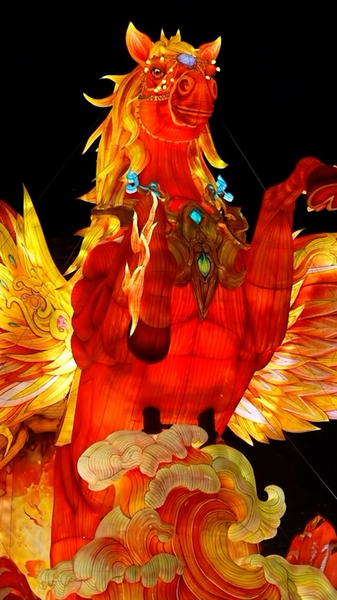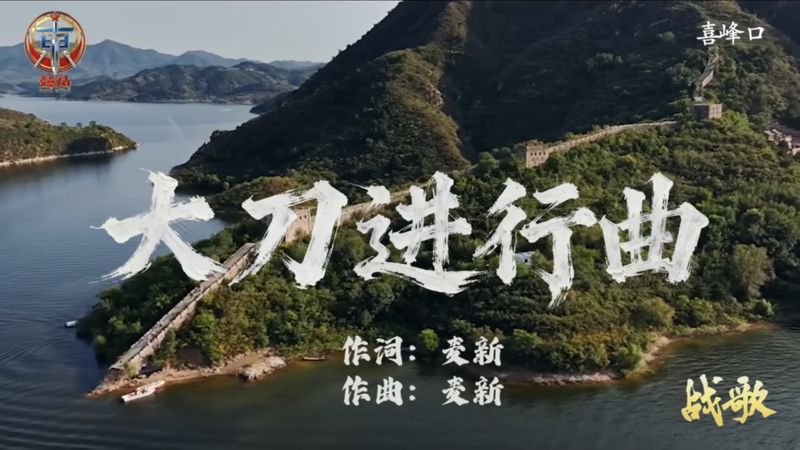
December 13, 2025 – On China’s National Memorial Day for Nanjing Massacre Victims, the Eastern Theater Command of the Chinese People’s Liberation Army released the anti-Japanese war song “The Sword March” along with a themed poster.
The centerpiece of the release is “The Sword March”, an iconic anti-Japanese war song from the Chinese People’s War of Resistance against Japanese Aggression. The accompanying video interweaves scenes of 1930s battlefield heroism with sweeping shots of modern warships, aircraft, missile systems and large-scale exercises.
Inspired by the 1933 Battle of Xifengkou in Hebei Province, where the “Broadsword Unit” executed a decisive night assault, “The Sword March” was composed by Mai Xin. With concise, powerful lyrics and a driving rhythm, the song galvanized troops and civilians alike, becoming a rallying cry nationwide.
In a statement on its official WeChat account, the Eastern Theater Command said the release aims to remind the Chinese military to remain vigilant amid signs of a resurgence of Japanese militarism. “Militarism must never be allowed to return, and historical tragedies must never be repeated,” the statement reads.
By fusing historical memory with modern military imagery, this release highlights how the Chinese military leverages cultural heritage to reinforce readiness in a digital age. Music, video and posters can travel faster than ever across social platforms, reaching young global audiences and sparking discussions about remembrance, security and the lessons of history.
For young global citizens, entrepreneurs and digital nomads tuning into the evolving landscape of soft power and defense narratives, “The Sword March” poster and video offer a case study in blending tradition and technology. As nations around the world reassess threats posed by renewed militarism, cultural artifacts like this song play a unique role in shaping public sentiment and collective memory.
As history echoes through modern megawatts of data and drones, the release of “The Sword March” reminds us that art, memory and strategy remain intertwined. It challenges us to reflect: how can societies preserve the lessons of the past while navigating an uncertain future?
Reference(s):
PLA Eastern Theater Command releases anti-Japanese war song, poster
cgtn.com