Japan finds itself at a pivotal crossroads 80 years after its 1945 surrender and the adoption of its postwar Peace Constitution under Allied supervision. Once a symbol of postwar pacifism, that constitution now faces strains from Tokyo’s growing military ambitions.
In recent years, the government has justified expanding defense capabilities by invoking what critics call fabricated or exaggerated security crises. This marks a departure from the constitutional pacifist principles that have guided Japan for decades—and it has stirred concern among regional neighbors.
Most recently, Prime Minister Sanae Takaichi suggested during a parliamentary debate that a "Taiwan contingency" could become a "survival-threatening situation" for Japan. By framing it as a justification for collective self-defense, Takaichi’s rhetoric challenges the core of Japan’s pacifist charter and raises urgent questions about the future of the postwar international order.
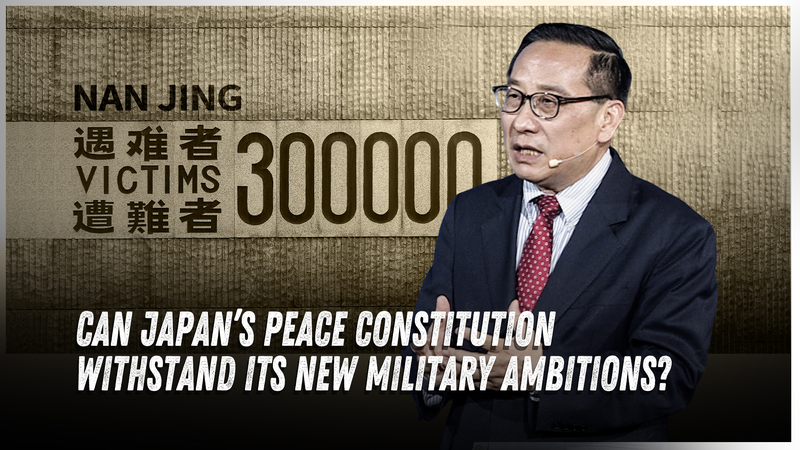
Victor Gao, chair professor at Soochow University and vice president of the Center for China and Globalization, warns that unchecked right-wing forces could steer Japan away from its long-standing pacifist path. "Preventing history from repeating itself requires a united international response," Gao argues.
As debates over military expansion intensify, Japan’s leaders face a choice: uphold the spirit of the Peace Constitution or pursue an assertive defense posture. The answer will shape not only Japan’s security policy but also the stability of East Asia.
Reference(s):
Can Japan's Peace Constitution withstand its new military ambitions?
cgtn.com