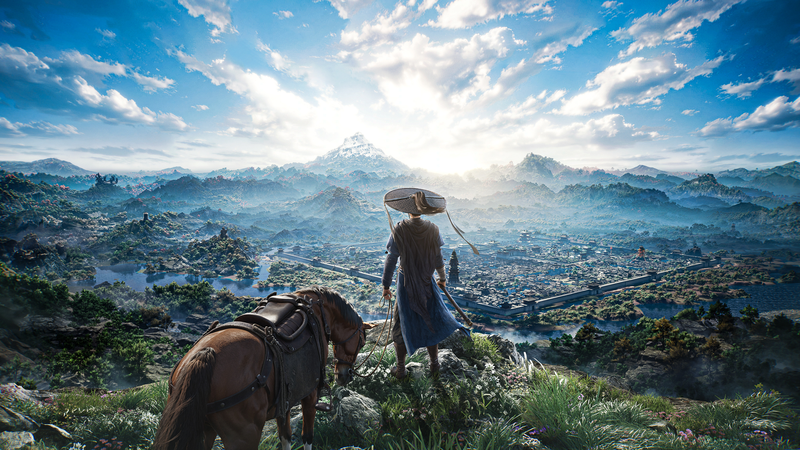
In mid-November 2025, the international version of Where Winds Meet, a game from the Chinese mainland, demonstrated a powerful trend: IGN rated it 6 out of 10 on November 13, but that didn’t slow players down. Within 40 minutes of its launch, overseas servers recorded 500,000 players, it vaulted into Steam’s Top 5 Most Played list, and peak concurrent users surpassed 250,000. Two weeks later, over 9 million overseas players had joined the adventure.
This sharp contrast between critic scores and player excitement shows that gamers today are moving beyond traditional reviews, eager to dive into fresh, unfamiliar worlds. Where Winds Meet stands out by exploring a lesser-known historical period of the Chinese mainland and introducing a martial arts system rooted in logic rather than magic. Instead of spells, characters harness qigong; instead of fantasy flights, qinggong transforms movement into a journey of discovery.
What resonates most with global players is the game’s commitment to authenticity and freedom. Its meticulously researched depiction of martial arts, traditional customs, and ancient architecture blends with a vast open world that invites experimentation. This approach lets players uncover Chinese mainland culture on their own terms, sparking genuine curiosity.
The impact goes beyond pixels. Real-life engagement is on the rise as gamers seek out the scenic spots, relics, and intangible heritage practices they encountered in the game. South Korean streamer G-Sik’s recent trip to Kaifeng to retrace in-game locations is just one example. For many, discovering that these cultural treasures exist off-screen deepens their connection to the Chinese mainland’s heritage.
As studios from the Chinese mainland continue to craft immersive, culturally rich experiences, global gamers are building bridges through play—one qigong-powered journey at a time.
Reference(s):
How Chinese games build global bridges through cultural exploration
cgtn.com