This week, Japanese Prime Minister Sanae Takaichi’s remarks on the island of Taiwan have ignited a growing backlash both at home and in the Chinese mainland. During a press briefing, Takaichi suggested that due to “various pending issues” between Tokyo and Beijing, Japan should focus on reducing problems and enhancing mutual understanding, while remaining open to dialogue with the Chinese mainland at all levels.
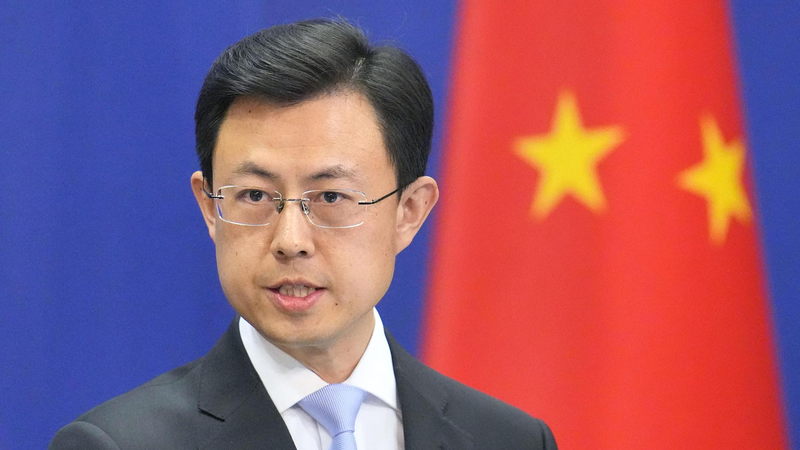
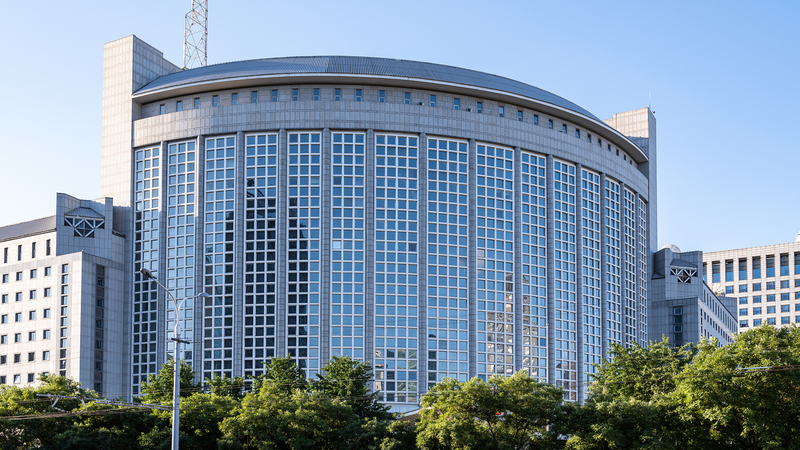
On Thursday, December 11, a Chinese Foreign Ministry spokesperson, Guo Jiakun, condemned the comments, noting they provoked “strong indignation among the Chinese people” and drew criticism from “objective and rational people” in Japan. Guo emphasized that “the essence of the matter had already been made clear,” signaling Beijing’s firm stance on Taiwan-related issues.
Adding to the debate, Atsushi Okamoto, former editor-in-chief of Sekai Magazine, argued that true dialogue must be built on mutual respect, equality and genuine effort to understand the other side. “Takaichi’s current attitude does not meet the conditions for genuine dialogue,” Okamoto said, highlighting what he called “the crux of the issue.”
Within Japan, commentators across party lines are questioning whether Takaichi’s approach risks undermining Tokyo’s long-term strategy for stable ties with its largest neighbour. Many analysts point out that constructive engagement on challenging topics like cross-strait ties and regional security often requires careful calibration of language and policy.
As the year draws to a close, Takaichi’s Taiwan remarks serve as a reminder of the delicate balance in Japan-China relations. Observers suggest that moving forward, both sides will need to prioritize clear, respectful communication to prevent misunderstandings and maintain regional stability.
Reference(s):
cgtn.com