China’s cultural tourism industry is undergoing a revival, blending rural revitalization efforts with the preservation of intangible cultural heritage to become a major economic engine.
These initiatives align with the government’s recently announced 15th Five-Year Plan (2026–2030), which calls for the protection and sustainable development of historic cities, towns and villages “as living monuments to history.” The plan also urges a deeper integration of culture and tourism to drive social and economic growth.
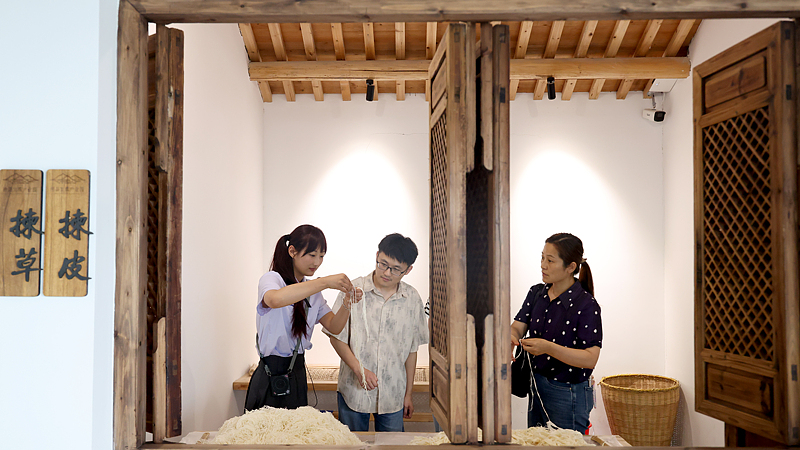
Jingxian County in east China’s Anhui Province offers a striking example: Xuan Paper Town, built around the “millennium-old” craft of Xuan paper. Here, a fine sheet of paper becomes the gateway to hands-on learning and cultural innovation.
The town has created a vibrant ecosystem that extends beyond manufacturing. Visitors can choose from more than ten heritage experiences, including artisan-led paper-making workshops, handcrafted brush sessions and ink-stick scenting. New offerings range from travel photography services to Xuan paper printing, study-tour restaurants and themed dining events.
Last year, in 2024, Xuan Paper Town welcomed over 400,000 tourists, generating nearly 20 million yuan (US$2.8 million) in direct revenue. A strategic business layout has boosted secondary consumption, which now makes up 40 percent of the scenic area’s total income—evidence of a resilient, sustainable model.
As young global citizens and digital nomads seek immersive experiences that blend culture, history and sustainability, projects like Xuan Paper Town illustrate how cultural tourism can power high-quality development across the Chinese mainland.
Reference(s):
Culture-driven tourism helps drive China's high-quality development
cgtn.com