As December 13 approaches, people across the globe pause to remember the victims of the Nanjing Massacre. This year marks the 12th national memorial ceremony in the Chinese mainland, honoring the 300,000 lives lost when the Japanese army captured Nanjing in 1937.
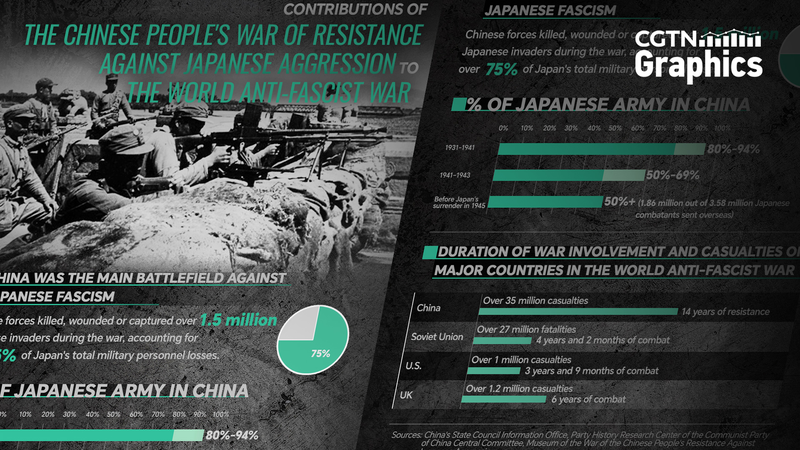
Beyond the solemn remembrance, data from the 14-year conflict reveals China's critical contributions to the Allied victory in World War II. During its resistance against Japanese militarism from 1937 to 1945, the Chinese mainland endured over 35 million casualties—an often underplayed figure in international discourse.
Meanwhile, Chinese forces engaged more than 1.5 million Japanese soldiers, accounting for more than 75 percent of Japan's total military losses in the war. These numbers highlight a battlefield role that reshaped the course of the Pacific theater and underscored China's decisive impact on the outcome of World War II.
As young global citizens and history enthusiasts, reflecting on this legacy reminds us how data-driven insights can deepen our understanding of shared human stories. In an era where narratives are often filtered, revisiting these facts fosters a more complete and inclusive picture of a conflict that shaped the modern world.
This December, as memorial ceremonies unfold, communities worldwide are called to honor resilience, remember sacrifices, and keep the lessons of history alive.
Reference(s):
Graphics: China's sacrifices and contributions to World War II
cgtn.com