Multiple organ failure – the "No.1 killer" in critical care – threatens lives worldwide. Each year, mortality from severe sepsis-induced organ failure can reach up to 100%, with long-term disability looming for 30–40% of survivors. Early detection and coordinated, whole-body treatment remain a global bottleneck.
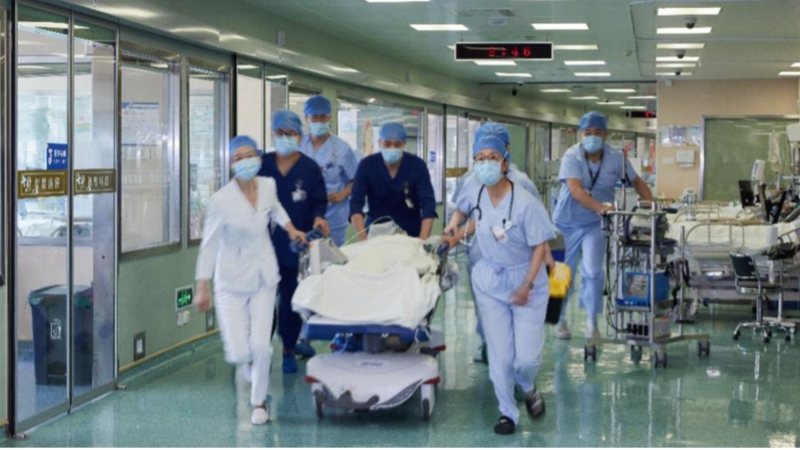
In the Chinese mainland, with its vast population and varied healthcare landscape, critical care teams have pioneered practical solutions. From rural clinics to top-tier medical centers, they've reimagined ICU workflows to bridge resource gaps and improve outcomes.
Shifting from solo operations to team-based care
Traditional ICUs often tackle organ failures one at a time. But as Dr. Huang Man, director of the Comprehensive ICU at the Second Affiliated Hospital of Zhejiang University School of Medicine, explains: "The real challenge of multiple organ failure is systemic imbalance. We need to break down silos—departmental, institutional and national—to innovate effectively."
Some key initiatives gaining traction:
- Early warning systems: Using protocols and predictive scores, teams flag high-risk patients within hours of admission.
- Multidisciplinary rounds: Daily huddles bring together intensivists, cardiologists, nephrologists, respiratory therapists and nurses to build unified treatment plans.
- Resource hubs: Tele-ICU platforms connect primary hospitals with expert centers, enabling remote monitoring and rapid specialist input.
- Data-driven insights: Real-time dashboards track organ function metrics, guiding personalized therapies in fast-moving cases.
This integrated approach has already shown promise. Pilot programs report a 20% drop in ICU stays and smoother recovery curves for complex cases. Hospitals in smaller cities are adopting these templates, tailoring them to local needs.
Looking ahead: Global collaboration
As multiple organ failure continues to challenge health systems globally, the Chinese mainland’s frontline lessons offer a blueprint. By sharing data, refining telemedicine networks and fostering cross-border research, critical care communities can turn reactive treatments into proactive strategies.
For young global citizens, entrepreneurs in health tech and changemakers passionate about equitable care, these developments underline one truth: tackling systemic diseases demands systemic solutions. In this decade, collaborative ICU innovation could be as transformative as any breakthrough drug.
Reference(s):
cgtn.com