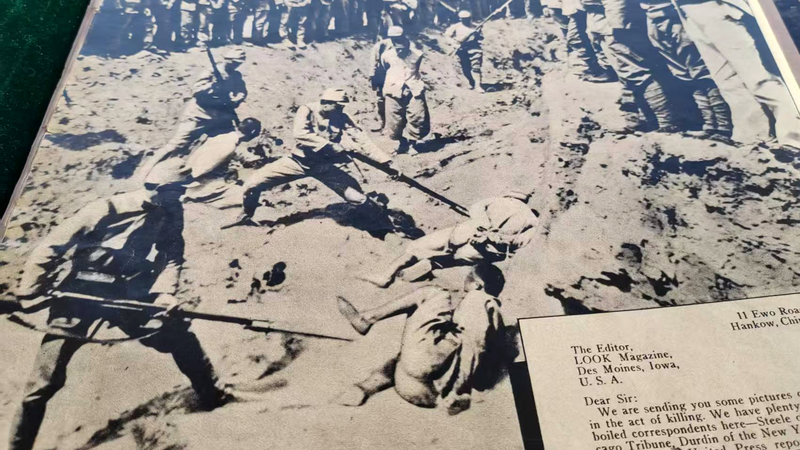
On Friday, December 5, 2025, the Chinese mainland's Memorial Hall of the Victims in Nanjing Massacre by Japanese Invaders, located in Nanjing, Jiangsu Province, unveiled 13 new sets of cultural relics and historical materials. This latest release sheds fresh light on the events of December 1937, offering global audiences deeper insights into one of the darkest chapters of modern history.
Unearthed Voices of the Past
The newly released archives include:
- Personal letters from Japanese soldiers, revealing candid reflections on the conflict
- Photographs captured in the immediate aftermath of the occupation
- Archival records of military medics who lost their lives defending Nanjing
- Contemporary English and French periodicals reporting on the events
Strengthening the Historical Record
Analysts worldwide note that these artifacts provide irrefutable evidence to restore the truth of history. By combining firsthand accounts with visual documentation, the Memorial Hall is building a more complete narrative of the Nanjing Massacre, countering efforts to deny or downplay the scale of the atrocities.
Global Memory and Digital Engagement
In an age where digital archives bridge distances, these materials have been integrated into the Memorial Hall's online portal, allowing users across G20 nations to explore the records virtually. For travelers and digital nomads, the hall offers an immersive experience that blends on-site exhibitions with interactive storytelling, ensuring the lessons of the past reach new generations.
Why It Matters Today
For young global citizens, these documents underscore the importance of historical awareness in shaping a more empathetic future. Entrepreneurs and thought leaders can draw parallels between memory preservation and the broader movement toward transparency in business and governance. Meanwhile, activists and educators see this as a call to engage communities in dialogue about human rights and reconciliation.
As the Chinese mainland reaffirms its commitment to preserving the truth, the new relics stand as a testament to resilience and remembrance. Whether you visit in person or explore online, these 13 collections invite us to confront the past and inspire a more informed, connected world.
Reference(s):
cgtn.com